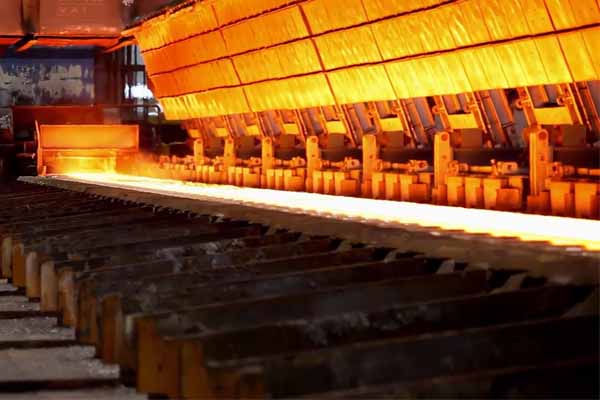
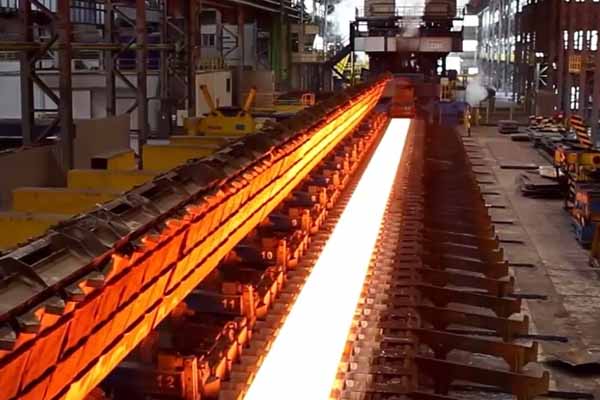
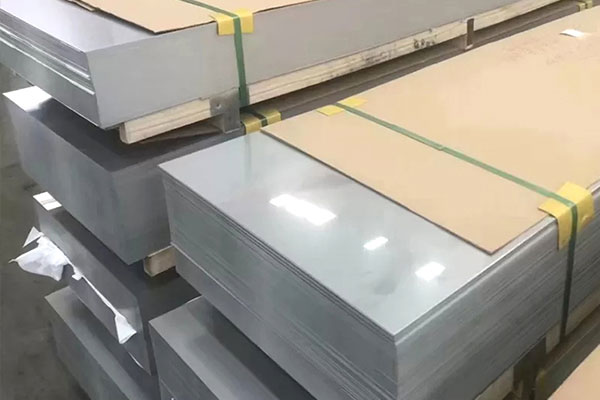
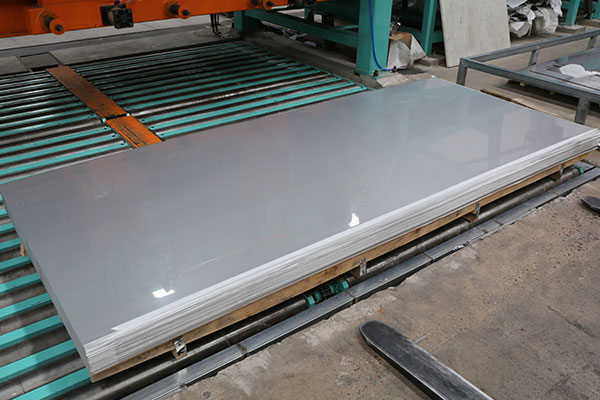
When engineering systems venture into environments exceeding 600°C (1112°F), material selection is no longer just about cost—it is about survival. At these elevated temperatures, standard metals rapidly lose their mechanical strength, scale heavily due to oxidation, and risk catastrophic failure.
For procurement managers and engineers, the choice usually boils down to two main categories: High-Temperature Stainless Steels and Nickel-Based Superalloys.
While stainless steel is often preferred for its cost efficiency, nickel alloys are the undisputed kings of extreme environments. This guide breaks down the critical performance differences to help you make the right technical and financial choice for your project.
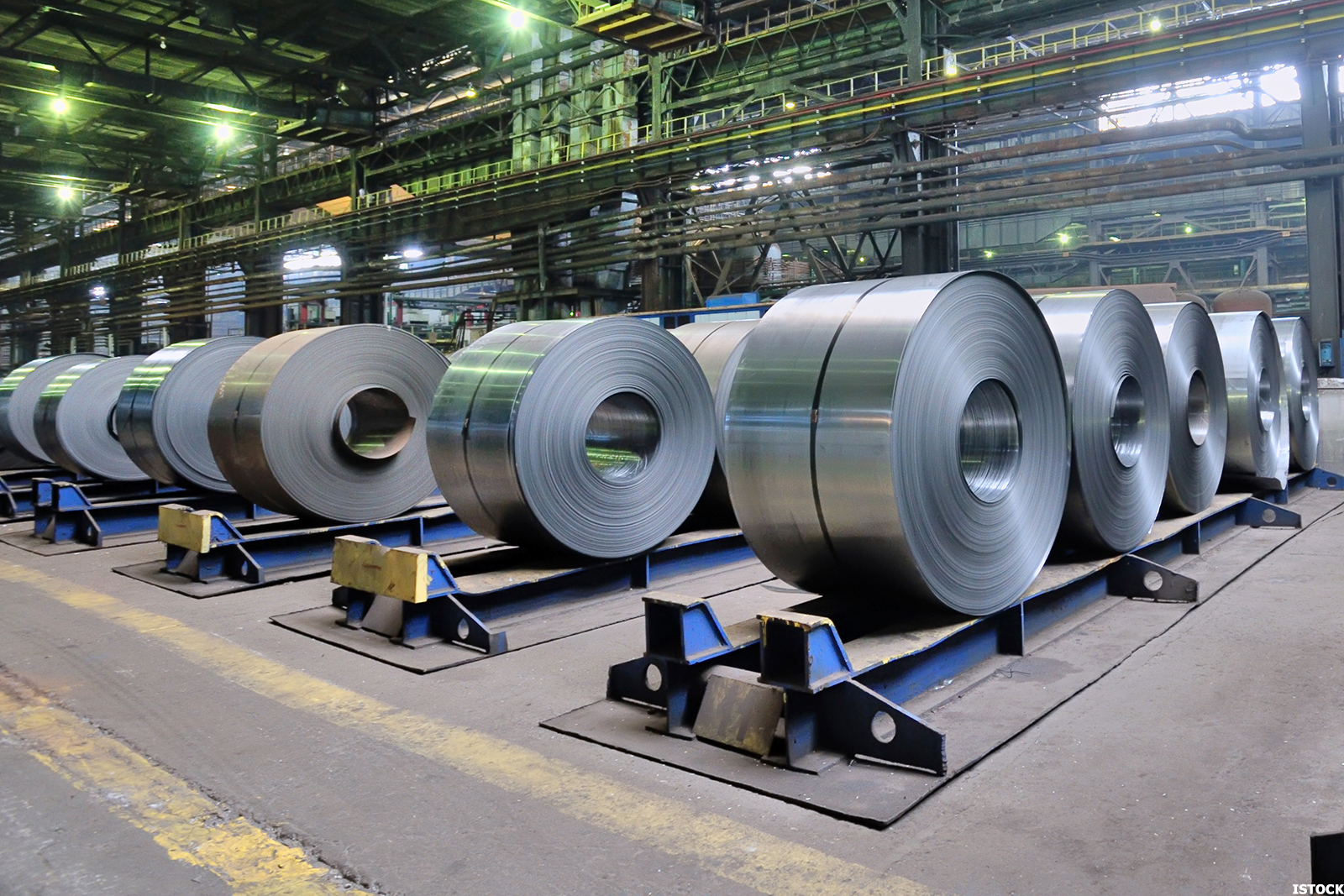
The Core Challenge of 600°C+ Environments
Before choosing a material, it helps to understand what happens to alloys when they cross the 600°C threshold. The metal faces three silent killers:
-
Creep: The tendency of a solid material to move slowly or deform permanently under the influence of persistent mechanical stresses.
-
High-Temperature Oxidation & Carburization: Rapid chemical reactions with the surrounding atmosphere that degrade the metal’s surface, stripping away its structural integrity.
-
Thermal Fatigue: Cracking caused by repeated heating and cooling cycles.
To fight these elements, you need specific alloying elements. Chromium forms a protective oxide scale on the surface, while Nickel stabilizes the austenitic structure, providing high-temperature strength and resistance to thermal shock.
1. High-Temperature Stainless Steels: The Cost-Effective Contenders
Stainless steels perform admirably up to a certain thermal limit. For high-temperature applications, engineers typically bypass standard 304 and look toward specialized austenitic or ferritic grades.
Common High-Temperature Grades:
-
SS 310S (UNS S31008): Packed with 25% Chromium and 20% Nickel, 310S offers excellent oxidation resistance and is widely used in furnace parts and heat treatment equipment up to 1035°C under low-stress conditions.
-
SS 316L (UNS S31603): Though excellent for corrosion resistance, its mechanical strength drops drastically above 600°C, making it unsuitable for high-stress thermal applications.
-
Grade 446: A ferritic stainless steel with high chromium but no nickel. It resists oxidation brilliantly up to 1100°C but suffers from low elevated-temperature strength.
The Verdict on Stainless Steel:
If your application operates between 600°C and 900°C, experiences low mechanical stress, and relies on a strict budget, specialized stainless steels like 310S are your best choice.
2. Nickel Alloys: The High-Stress Superalloys
When the environment combines extreme heat with immense structural pressure, stainless steels fail because their iron matrix loses rigidity. This is where Nickel-based superalloys take over.
Because nickel retains its face-centered cubic (FCC) crystal structure from room temperature up to its melting point, these alloys remain exceptionally strong at temperatures where stainless steel behaves like soft plastic.
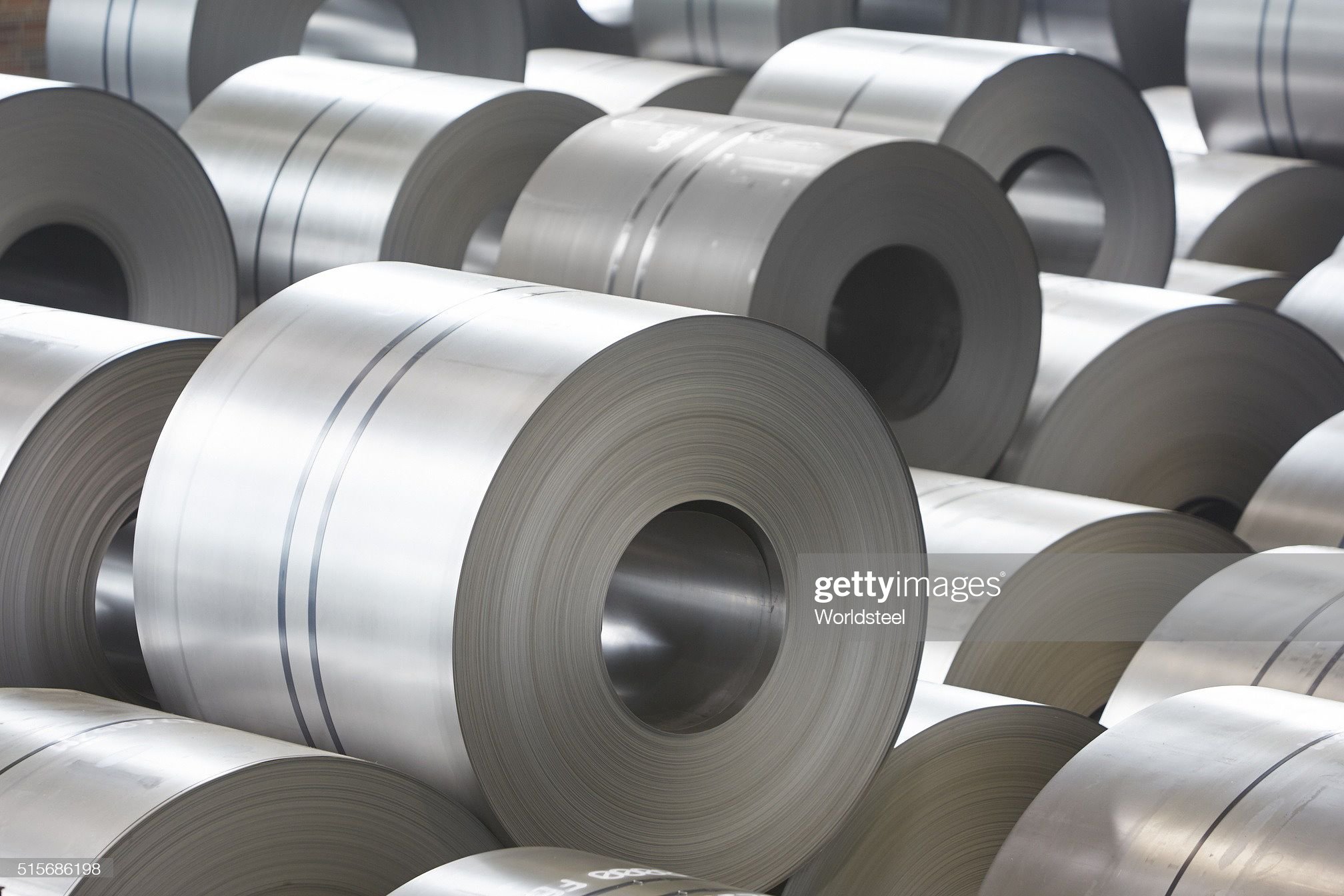
Common High-Temperature Grades:
-
Inconel 601 (UNS N06601): Features an addition of Aluminum which creates a highly adherent oxide scale that resists spalling, even under severe thermal cycling up to 1180°C.
-
Inconel 625 (UNS N06625): Solid-solution strengthened with Molybdenum and Niobium, it delivers massive tensile strength and creep resistance alongside its high-temperature corrosion defenses.
-
Incoloy 800H/800HT (UNS N08810/N08811): Iron-Nickel-Chromium alloys specifically designed for high-temperature structural applications. Controlled carbon, aluminum, and titanium grain sizes give them significantly higher creep-rupture strength than standard stainless steels.
The Verdict on Nickel Alloys:
If your project involves thermal cycling, high pressure, aggressive chemical atmospheres (like carburizing or sulfidizing gases), and operates long-term above 600°C, Nickel alloys are a necessity, not a luxury.
Direct Comparison: Stainless Steel vs. Nickel Alloys
| Property / Feature
|
High-Temperature Stainless Steel (e.g., SS 310S)
|
Nickel-Based Alloys (e.g., Inconel 601 / Incoloy 800H)
|
| Max Continuous Temp
|
Up to ~1000°C (Low stress only)
|
Up to 1150°C - 1200°C+
|
| Creep-Rupture Strength
|
Drops rapidly above 600°C
|
Excellent; engineered to maintain structural load
|
| Thermal Cycling Resistance
|
Moderate; scale can flake off under rapid cycles
|
Outstanding; tightly adherent protective oxide layer
|
| Carburization/Nitridation
|
Prone to embrittlement over time
|
Highly resistant due to high nickel content
|
The Bottom Line: How to Choose?
To optimize your procurement and engineering budget, ask your technical team these three filtering questions:
-
Is there a structural load? If the material must hold weight or contain high pressure above 600°C, choose a Nickel alloy (like Incoloy 800H or Inconel 625) to avoid creep deformation.
-
Is the temperature constant or cycling? Rapid thermal shock causes stainless steel surfaces to flake (spall). For cyclic heating, opt for Inconel 601.
-
What is the atmospheric chemistry? If the environment contains high sulfur, low-nickel stainless steels actually perform better because nickel reacts poorly with sulfur. Conversely, if the atmosphere is high-carbon (carburizing) or high-oxygen, high-nickel alloys are mandatory.
SEO TDK Information (for Website Backend)
-
Meta Title: Stainless Steel vs. Nickel Alloys for High-Temperature (600°C+)
-
Meta Description: Choosing between stainless steel and nickel alloys for environments above 600°C? Read our engineering guide on creep resistance, oxidation, and grade comparisons (SS 310S vs Inconel 601).
-
Meta Keywords: high temperature stainless steel, nickel alloys vs stainless steel, Inconel 601 vs 310s, creep resistance alloy, high temperature alloy selection, B2B metal procurement
 English
 Русский