When you're building something meant to last—a massive chemical reactor vessel, the hull section of a deep-sea submersible, or the primary containment structure in a nuclear facility—you're not just assembling parts; you're creating a legacy of safety and reliability. In these monumental projects, every square inch of material matters, and the choice of plate stock becomes a critical engineering decision. This is where Alloy 625 plates step into the spotlight. More than just flat stock, they are the foundational canvas upon which resilience is built, offering a unique combination of size, strength, and stability that tubular forms simply cannot match.
If your project requires large, uninterrupted surfaces that must withstand relentless corrosion, extreme temperatures, and significant structural loads simultaneously, understanding the distinct advantages of Alloy 625 plate is essential. Let's explore what sets this form apart and how it serves as the unsung hero in some of the world's toughest engineering challenges.
Why Choose Alloy 625 Plate Over Other Forms?
While tubing is fantastic for conveying fluids, plates provide the expansive, load-bearing surfaces needed for tanks, vessels, ducting, and structural components. Alloy 625 plates bring the alloy's legendary properties to these large-scale applications in a uniquely effective way.
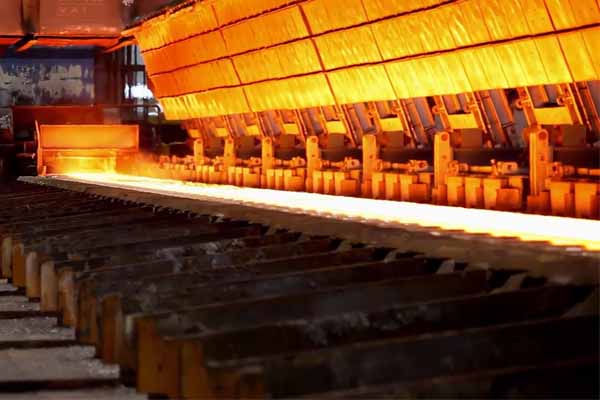
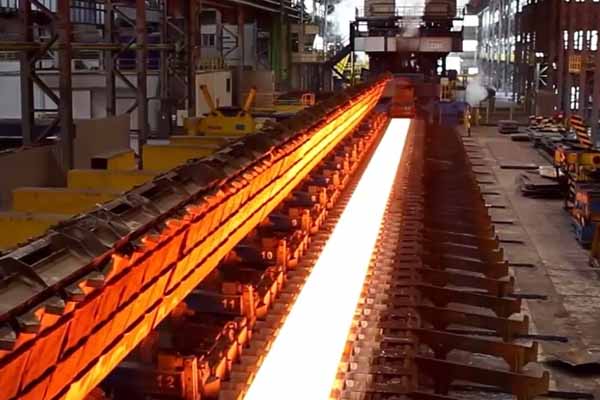
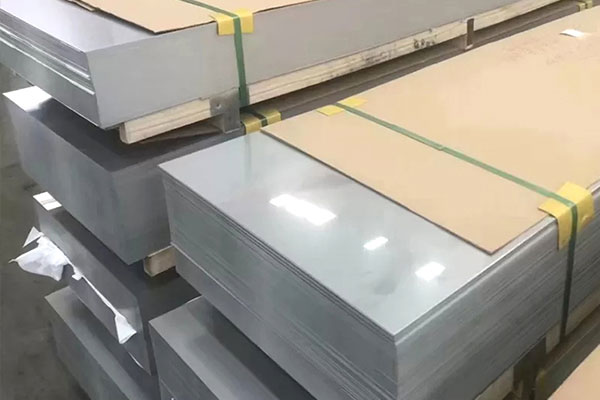
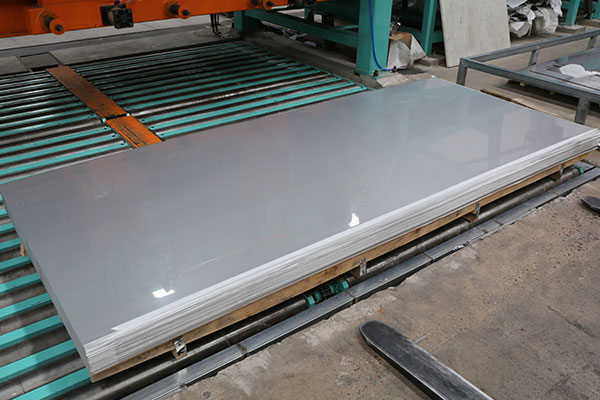
Unmatched Scale and Stability: Produced to ASTM B443/ASME SB443 standards, these plates are available in impressive dimensions—up to 96 inches wide and thicknesses from about 3/16 inch to 4 inches. This large format minimizes welds in big structures, reducing potential weak points and fabrication time. The plate's inherent geometry provides excellent dimensional stability under thermal cycling, resisting warping and distortion better than complex fabricated assemblies.
Tailored Performance Through Heat Treatment: A key differentiator for plates is the availability of two distinct grades, each optimized for a specific service regime.
Grade 1 (Annealed): This is the workhorse condition, annealed at a minimum of 871°C. It offers an optimal balance of high strength, good ductility, and excellent corrosion resistance for the majority of applications where service temperatures stay below approximately 600°C.
Grade 2 (Solution Annealed): For high-temperature service where resistance to creep and stress rupture is paramount, Grade 2 is solution annealed at a minimum of 1093°C. This condition is specified for pressure vessel codes when equipment operates above 600°C, ensuring long-term structural integrity in the heat.
Predictable, Homogeneous Properties: The controlled rolling and heat treatment processes for plate ensure consistent mechanical properties throughout the entire cross-section. You get reliable, certified performance data that engineers can depend on for precise calculations and safe design.
What Are the Key Applications for Inconel 625 Plate?
Chemical & Petrochemical Processing: They form the walls of large reactors, columns, and storage tanks handling aggressive acids like sulfuric and phosphoric, or chloride-rich streams. Their resistance to stress corrosion cracking is vital for these pressurized, welded structures.
Marine & Offshore Engineering: Used in hull platings for specialized vessels, splash zone cladding on offshore platforms, and large seawater piping manifolds, the plates provide the extensive, corrosion-resistant barrier needed against seawater.
Power Generation: In Flue Gas Desulfurization (FGD) systems, they are used for absorber tower shells and large ducting, resisting the corrosive, wet sulfuric acid environments. They are also found in critical sections of nuclear and conventional power plants.
Aerospace & Defense: For engine test cell linings, exhaust system components, and structural parts in harsh environments, the corrosion resistant plates offer a combination of high-temperature strength and fabricability into complex shapes.
How Do You Fabricate and Weld Alloy 625 Plate?
Forming: It can be hot-worked between 900–1177°C and cold-formed using standard practices, though its higher work-hardening rate compared to stainless steel requires careful planning.
Welding: Perhaps its greatest fabrication asset is its excellent weldability. It can be welded using common processes (GTAW, GMAW, SMAW) without requiring post-weld heat treatment, and the weld zone maintains corrosion resistance comparable to the base metal, simplifying the construction of massive vessels.
Machining: While machinable, it should be worked in the annealed condition with sharp, carbide tools and adequate coolant due to its tendency to work-harden.
How to Select the Right Inconel 625 Plates Specification?
Define the Dominant Threat: Is it continuous exposure to a specific corrosive (like seawater or acid mist), sustained high temperature, or cyclic thermal stress? This will guide the critical choice between Grade 1 and Grade 2.
Calculate the Loads: Determine the pressure, structural weight, and dynamic loads to specify the necessary thickness and mechanical properties.
Plan the Build: Consider the welding procedures, forming needs, and final inspection methods. The plate's excellent weldability is a major advantage for complex fabrications.
Think in Terms of Total Cost: The initial material investment is offset by decades of maintenance-free service, unparalleled safety, and the avoidance of catastrophic failure. For critical infrastructure, it is the most economical choice over its lifespan.
 English
 Русский