In the deep, hostile environments of sour gas wells and chemical reactors, materials face a relentless dual assault: extreme mechanical stress and aggressive, corrosive media. Standard stainless steels can corrode and crack, while many high-nickel alloys may not offer the necessary strength or become cost-prohibitive for large structural components. This is where Incoloy 925 plates provide a targeted engineering solution. As a precipitation-hardened nickel-iron-chromium alloy, it is specifically engineered to deliver exceptional strength alongside superior corrosion resistance in sulfur-rich and acidic conditions, making it a cornerstone material for critical, high-integrity applications.
What Makes Incoloy 925 Plates Uniquely Strong and Resistant?
The alloy's prowess stems from its precise chemistry and strengthening mechanism.
Precipitation Hardening for High Strength: Unlike many corrosion-resistant alloys that rely solely on solid solution strengthening, Incoloy 925 contains carefully balanced titanium and aluminum. Through a controlled aging heat treatment, these elements form fine, strengthening precipitates (gamma-prime phase) within the matrix. This process gives Incoloy 925 plates a yield strength that can exceed 690 MPa—significantly higher than most austenitic stainless steels and even some other nickel alloys, providing robust structural capability .
Engineered Chemistry for Targeted Corrosion Resistance: Its composition is a strategic defense package. High chromium provides oxidation resistance, while molybdenum and copper work synergistically to combat pitting, crevice corrosion, and attack from reducing acids like sulfuric acid. Most critically, it offers outstanding resistance to sulfide stress cracking (SSC) and stress corrosion cracking (SCC) in environments rich in H₂S, CO₂, and chlorides, meeting stringent standards like NACE MR0175/ISO 15156 for oilfield service
Where are Incoloy 925 Plates the Indispensable Choice?
TThis combination defines its mission-critical applications.
Oil & Gas Downhole and Wellhead Equipment: This is its primary domain. Incoloy 925 plates are fabricated into heavy-duty components like tubing hangers, valve bodies, Christmas tree blocks, and wellhead connectors. These parts must withstand the enormous pressures, mechanical loads, and highly corrosive "sour" fluids (containing H₂S) encountered in deep, aggressive reservoirs, where failure is not an option .
Chemical Processing Reactors and Vessels: For reactors, columns, and large mixers handling sulfuric, phosphoric, or organic acids under pressure, Incoloy 925 plates provide the necessary combination of wall strength and internal corrosion resistance. They are often used for critical sections, agitator shafts, and internal baffles where standard materials would degrade .
Marine and Offshore Structural Components: In seawater handling systems, offshore platform modules, and subsea equipment, resistance to chloride-induced pitting and SCC is paramount. Plates made from Incoloy 925 are used for high-stress structural parts, pump casings, and manifold systems that are exposed to both seawater and sour service conditions, ensuring long-term integrity
How Does Incoloy 925 Compare to Common Alternatives?
Positioning it against other alloys clarifies its specific niche.
vs. Inconel 718: While both are precipitation-hardened, Incoloy 925 typically has a lower nickel content and includes copper, making it more cost-effective and superior for sulfuric acid environments. Inconel 718 may offer slightly higher ultimate tensile strength, but 925 provides a better balance of strength, SSC resistance, and cost for oilfield and chemical applications .
vs. Incoloy 825/Super Austenitics (904L): Alloys like 825 and 904L offer excellent general corrosion resistance but are not precipitation hardenable. Incoloy 925 provides roughly double the yield strength, allowing for thinner, lighter plate designs in high-pressure applications where mechanical strength is as critical as corrosion resistance .
vs. Duplex Stainless Steels (e.g., 2205/S31803): Duplex steels offer high strength and good chloride resistance. However, Incoloy 925 possesses superior resistance to hot sour gas environments (H₂S) and stronger acids like sulfuric acid, making it the choice for more chemically aggressive conditions within its temperature range .
What are Key Fabrication Considerations for Incoloy 925 Plates?
To preserve its engineered properties, specific practices are essential.
Thermal Processing is Critical: The final strength is achieved through a precise solution annealing followed by an aging heat treatment. Deviations from recommended time-temperature cycles can lead to under-aging (low strength) or over-aging (reduced toughness and corrosion resistance). This must be strictly controlled .
Welding with Precision: Welding requires low heat input techniques and the use of compatible, high-performance filler metals (such as ERNiCrMo-3 or 925-grade wire). Post-weld heat treatment (PWHT), often a full re-solution and age cycle, is usually necessary to restore optimum corrosion resistance and mechanical properties in the weld zone .
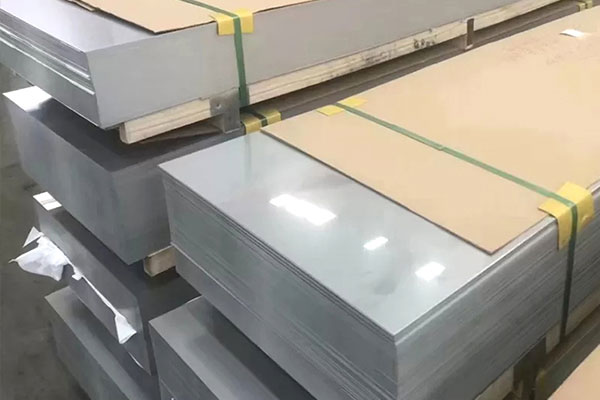
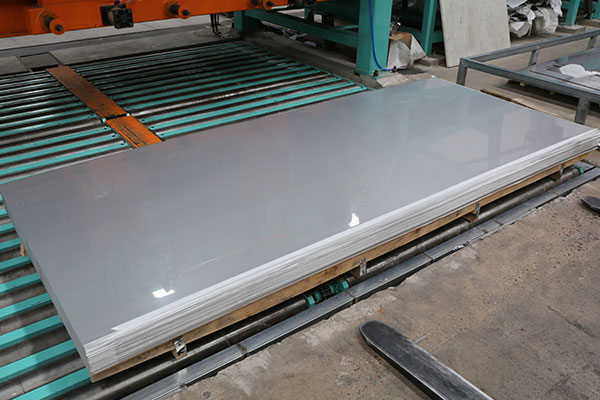
Procurement Specifications: Ensure plates conform to standards like ASTM B906 and are supplied with full traceability and testing reports, including chemistry (confirming PREN), mechanical properties, and often non-destructive testing (UT) for thicker plates
Designing for Extreme Pressure and Corrosion?
Incoloy 925 plates offer a proven solution where high structural strength must coexist with resistance to sour gas, chlorides, and acids.
Engineering components for deep-well, chemical processing, or severe marine service? Our metallurgical experts can provide detailed data sheets, fabrication guidelines, and quotes for certified Incoloy 925 (UNS N09925) plate to meet your specific design and service life requirements.
 English
 Русский