E-mail : service@ronsteel.comPhone : +8617773160488

Product & Service

Our products conform to GB, AISI, ASTM, DIN, EN, JIS standard for stainlesss steel coil, sheet and plate.

nickel alloy inconel 617 plate, UNS N06617 sheet, 2.4663 plate, alloy 617 flat bar, Inconel 617 coil, high temperature creep resistant sheet
BackYou are in :  Home  >  Product & Service  >  Nickel Alloy Plate  >  Nickel Alloy Inconel 617 Plate

Nickel Alloy Inconel 617 Plate

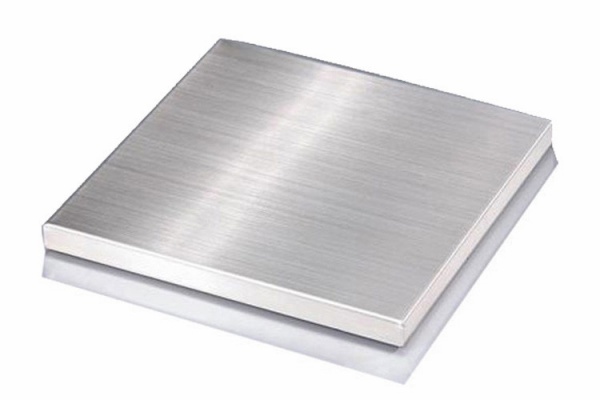
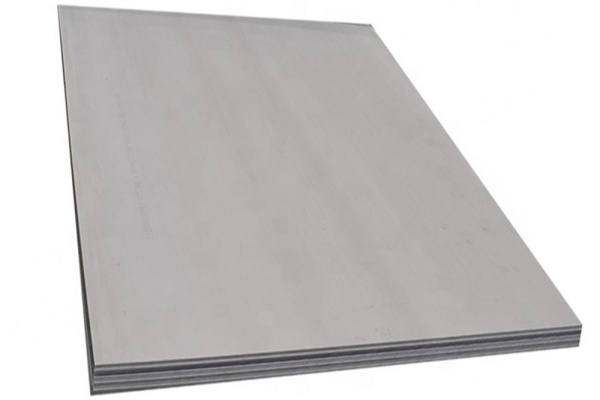
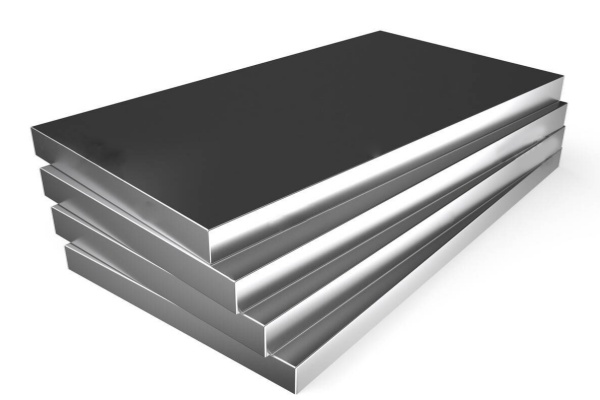
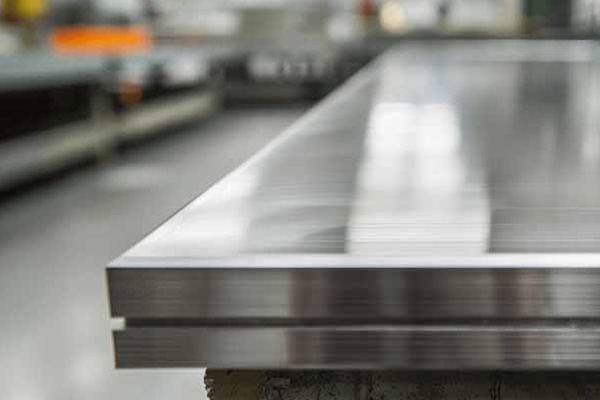
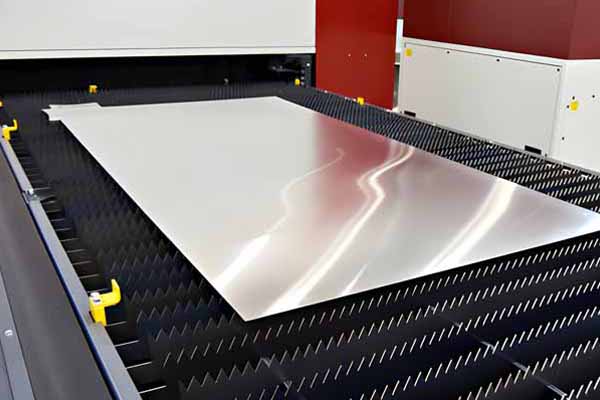
High-performance Inconel 617 plate (UNS N06617 / 2.4663) designed for extreme heat and high-stress aerospace and power-generation applications. Outstanding Creep-Rupture Strength: Specifically alloyed with cobalt and molybdenum to maintain high structural strength above 1800°F (980°C). Exceptional High-Temp Oxidation Resistance: Excellent resistance to oxidation, carburization, and halogen attack under cyclic thermal conditions. Superior Weldability & Fabricability: Highly resistant to post-weld cracking, allowing ease of forming and welding. Flexible Custom Cutting: Precision laser, waterjet, and plasma cutting customized strictly to your structural engineering drawings.
Nickel Alloy Inconel 617 Plate

MORE DETAILS ABOUT Nickel Alloy Inconel 617 Plate

Product Name Nickel Alloy Inconel 617 Plate, Alloy 617 Sheet, UNS N06617 Coil
Equivalent Grade Inconel 617, UNS N06617, Alloy 617, W.Nr. 2.4663
Standard ASTM B168, ASME SB168, DIN 17750, EN 10095
Process Hot Rolled (HR), Cold Rolled (CR), Forged, Solution Annealed
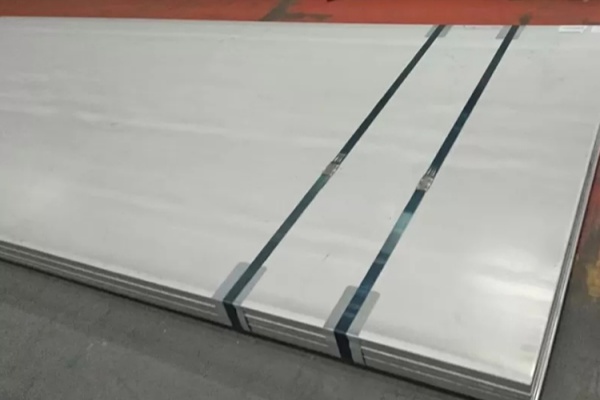
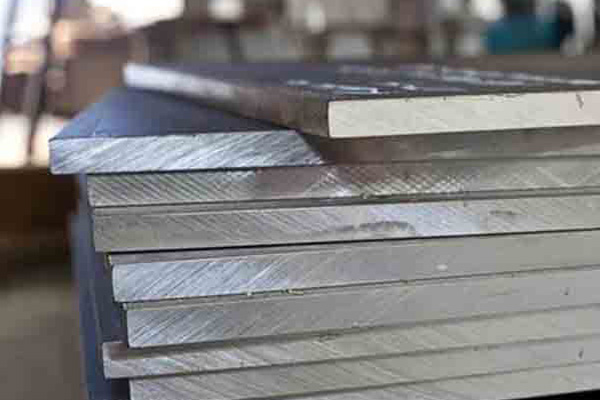
Sizes Thickness: 0.5 - 80mm; Width: 1000 - 2500mm; Length: Customizable (Up to 9000mm)
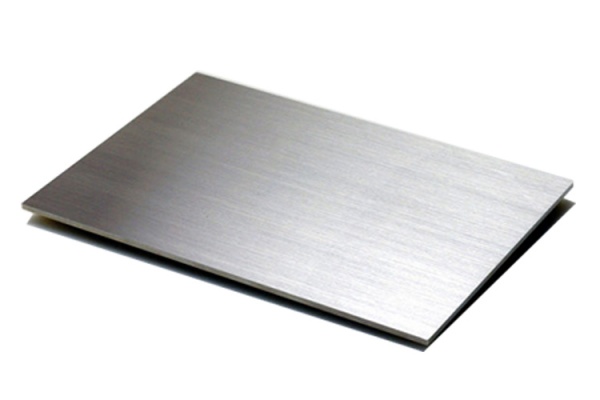
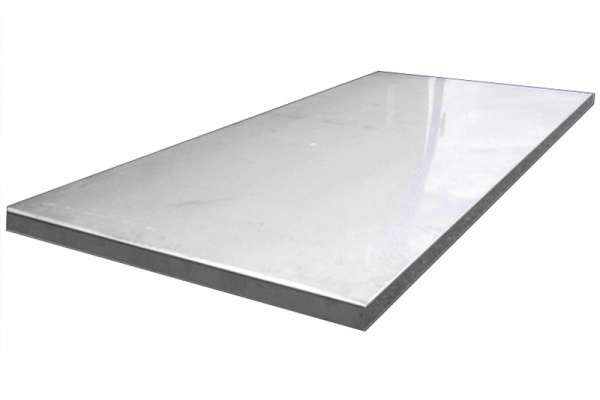
Surface Treatment No.1, 2B, BA, Hairline (HL), Mirror, Sandblasted
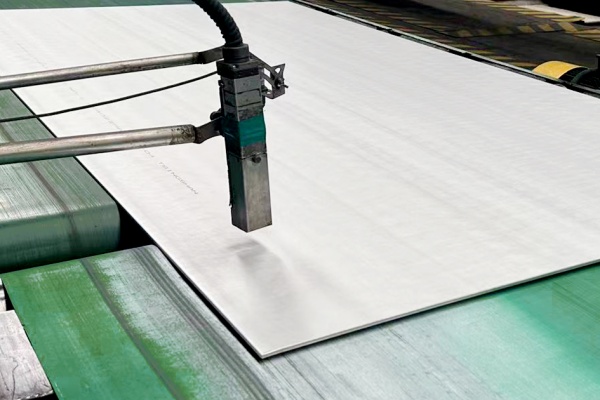
Fabricating Laser Cutting, Waterjet Cutting, Press-brake Bending, Punching, Beveling, Welding
Application Gas Turbine Combustors, Ducting, Power Plants, Petrochemical Pyrolysis Heaters

GENERAL INFO ABOUT EACH Nickel Alloy Plate GRADE

Exceptional Creep-Rupture Strength Above 1800°F
  • Solid-Solution Strengthening: Heavily alloyed with cobalt and molybdenum, providing exceptional resistance to deformation under high thermal stress.

  • Stable Structural Integrity: Engineered to maintain high mechanical strength and prevent dimensional distortion at temperatures up to 1100°C (2012°F).

  • Long-Term High-Stress Durability: Ideal for demanding applications like gas turbine components and ducting, significantly reducing downtime.

  • Lower Replacement Frequency: Outperforms standard nickel alloys in long-term high-temperature operations, delivering maximum cost-efficiency.


The alloy is highly suitable for extreme thermal and high-stress environments, demonstrating outstanding creep-rupture strength at temperatures above 1800°F (980°C). Its welding characteristics, particularly its exceptional resistance to post-weld cracking, make it highly reliable for structural fabrications. In addition, Inconel 617 plates combine ease of fabrication with superb high-temperature mechanical performance, making them a preferred solution in aerospace gas turbines, petrochemical piping, and power plant facilities.

Single Plate Of Rolling Specification
Thickness/Width 1500 1800 2000 2200 2400
0.5-3mm - - -
3-10mm -
10-25mm
25-50mm
50-80mm special special special special special

MORE DETAILS ABOUT EACH Nickel Alloy Plate GRADE

  • Hot Forming For NICKEL ALLOY INCONEL 600 PLATE
  • Hot Forming For NICKEL ALLOY INCONEL 625 PLATE
  • Hot Forming For NICKEL ALLOY INCONEL 718 PLATE

Inconel 600:


The recommended temperature range of normal hot-working is 1600° to 2250°F (870° to 1230°C), heavy hot-working is 1900° to 2250°F (1040° to 1230°C), light hot-working is down to 1600°F (870°C). It is important to note that Inconel 600 has low ductility at temperatures between 1200° and 1600°F (650° and 870°C) and should not be worked in that range. High tensile properties can be developed in the material by careful working at temperatures below 1200°F (650°C).

Inconel 625:


Inconel 625 was especially developed to retain high strength at elevated temperature, it resists deformation at hot-working temperatures. If hot forming of this alloy is required, powerful equipment is necessary. When Alloy 625 is hot-formed, it should be heated in a furnace whose temperature is held at (but not above) 2150°F. To guard against duplex grain structure, the work should be given uniform reductions. Final minimum reductions of 15 to 20% for open-die work are recommended.

Inconel 718:


Inconel 718 is more resistant than most materials to deformation during hot forming due to its strength. If hot forming of this alloy is required, powerful equipment is necessary. Hot forming is performed in the 1650°-2050°F temperature range. In the last operation, the metal should be worked uniformly with a gradually decreasing temperature, finishing with some light reduction in the 1650°-1750°F range. This procedure is necessary to ensure notch ductility in stress-rupture applications when material has been annealed and aged.

CHEMICAL PROPERTIES

Material Ni Cr Co Mo Al C Fe Mn Si Ti Cu S
N06617 Balance 20.0-24.0 10.0-15.0 8.0-10.0 0.8-1.5 0.05-0.15 3.0 max 1.0 max 1.0 max 0.6 max 0.5 max 0.015 max

MECHANICAL PROPERTIES

Material Tensile strength Yield strength 0.2 Elongation Hardness HB
N06617 ≥ 655 N/mm² ≥ 240 N/mm² ≥ 30% ≤ 210 HB

MORE DETAILS ABOUT EACH Nickel Alloy Plate PROCESS

  • Hot Rolled
  • Cold Rolled
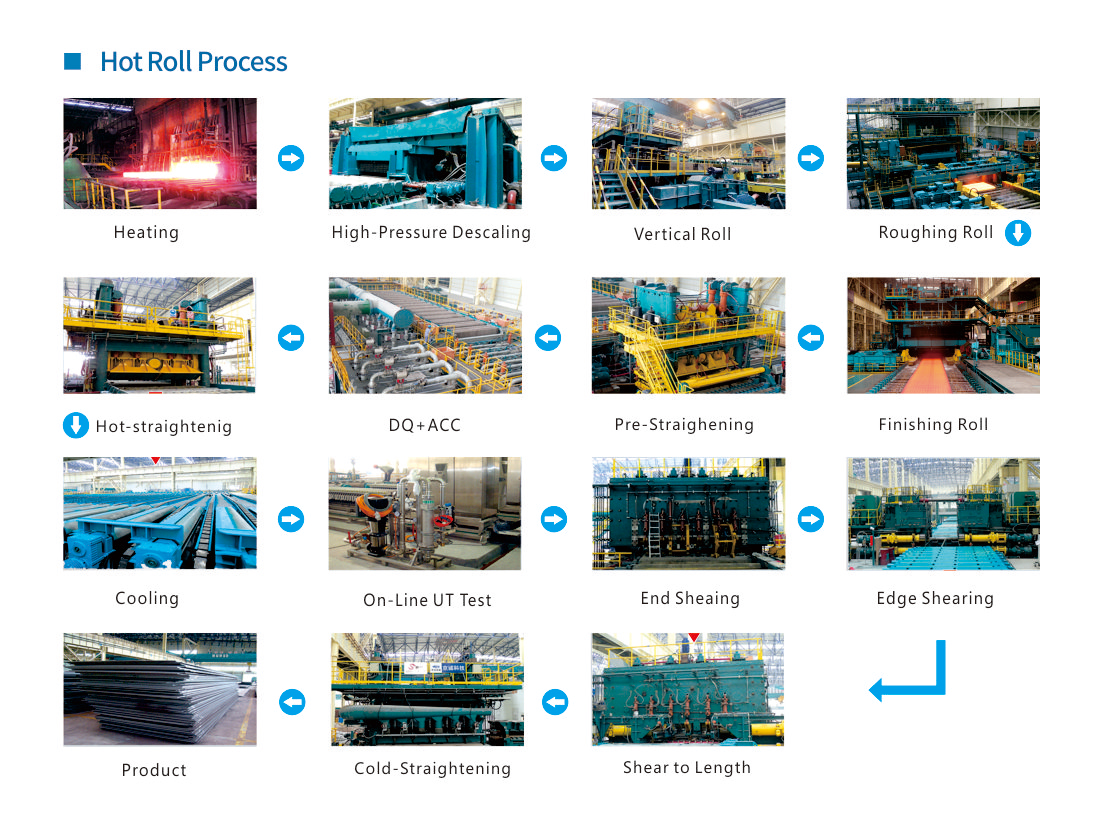
  • Hot Roll Process

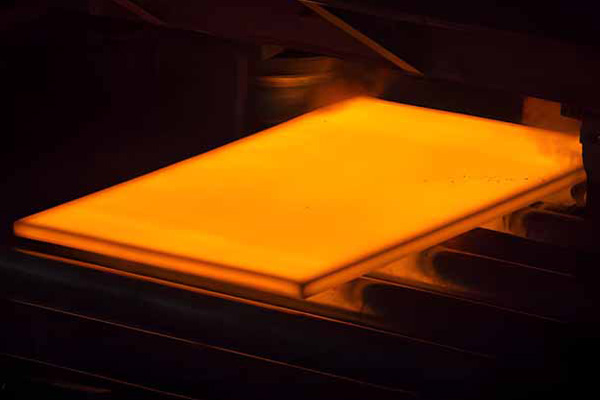
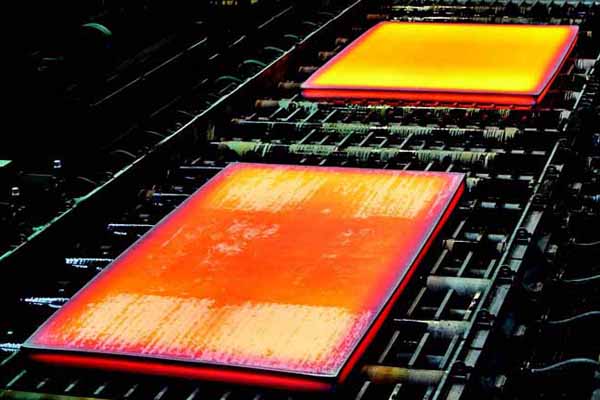
Hot rolling is a metalworking process. Such as steel ingots or billets are difficult to deform and process at room temperature, they are generally heated to 1100 to 1250° for rolling, this rolling process is called hot rolling. Most steel materials are rolled by hot rolling, the steel delivered in the hot-rolled state has a certain degree of corrosion resistance due to the high temperature, so it can bestored in the open air. In addition, hot rolling is that it can destroy the casting structure of the ingot, refine the grain of the steel, eliminate structural defects, make the steel structure dense,  and improve the hardness of the hot rolled steel.

Cold rolling refers to a rolling process that uses the pressure of rolls to squeeze steel to change the shape of the steel at room temperature. The advantafe of cold rolling is fast forming speed, high output, the coating is not damaged, and it can be made into a variety of cross-sectional forms to meet the needs of the use conditions. In addition, cold rolling can cause large plastic deformation of the steel, thereby increasing the yield point of the steel. Which is Widely used in home appliances and other industries.

MORE DETAILS ABOUT EACH Nickel Alloy Plate SURFACE

  • NO.1
  • 2D
  • BA
NO.1 surface treated by heat treatment and pickling after hot rolling. The  appearance is silver white, matt and bright. This surface is suitable for industries that require heat resistance and corrosion resistance, and the surface brightness is not important. Common applications include industrial tank and chemical industrial plants etc..
2D surface treated by heat treatment and pickling after cold rolling. The appearance is silver white, smoother but of matt grain. Common applications include petrochemical production equipment, automotive components, building materials and water pipes etc..
BA surface is also produced by cold rolling and de-scaling. It has excellent surface gloss, high reflectivity. In addition, The very smooth surface also makes this surface highly suitable for further finishing processes such as mirror polishing and chrome plating. Common applications include catering equipment etc..

FREQUENTLY ASKED QUESTIONS

  • How Does Inconel 600 Compare To Other Nickel Alloys?
  • What Industries Benefit Most From Using Inconel 625 Plates?
  • How Does The Precipitation Hardening Process Affect Inconel 718 Plates?

How Does Inconel 600 Compare To Other Nickel Alloys?


Answer:


Inconel 600 differs from other nickel alloys in its ability to maintain stability across a wide temperature range and its resistance to a broad spectrum of corrosive media. Unlike Inconel 625, which is designed for high strength and corrosion resistance, or Inconel 718, which is used for its remarkable strength at high temperatures, Inconel 600 is often selected for its thermal stability and general-purpose corrosion resistance. Its versatility makes it a preferred choice for environments where both strength and corrosion resistance are required.


What Industries Benefit Most From Using Inconel 625 Plates?


Answer:


Industries that benefit significantly from Inconel 625 plates include: Aerospace, Oil and Gas, Marine Engineering, Chemical Processing, Power Generation.


How Does The Precipitation Hardening Process Affect Inconel 718 Plates?


Answer:


The precipitation hardening process significantly enhances the mechanical properties of Inconel 718 plates by forming gamma prime (γ') and gamma double prime (γ'') phases, which improve tensile strength and creep resistance. This aging treatment allows Inconel 718 to maintain stability at high temperatures, making it ideal for applications requiring superior strength and deformation resistance under extreme mechanical loads. This property is crucial for industries like aerospace and power generation, where reliable performance is mandatory.


Related news

Start your project today

We use cookies to offer a better browsing experience, analyze site traffic, and personalize content. By using this site, you agree to our use of cookies.

Accept
Decline