E-mail : service@ronsteel.comPhone : +8617773160488
English
РусскийOur products conform to GB, AISI, ASTM, DIN, EN, JIS standard for stainlesss steel coil, sheet and plate.
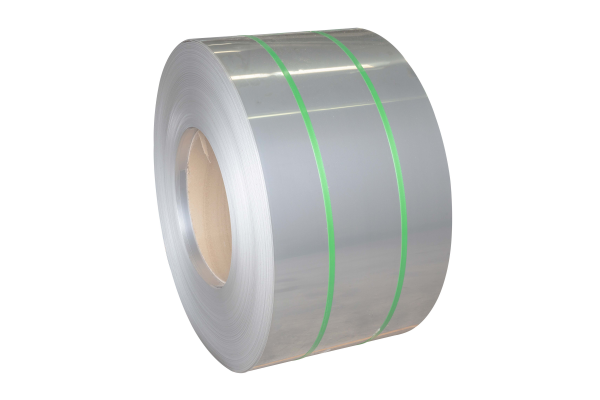
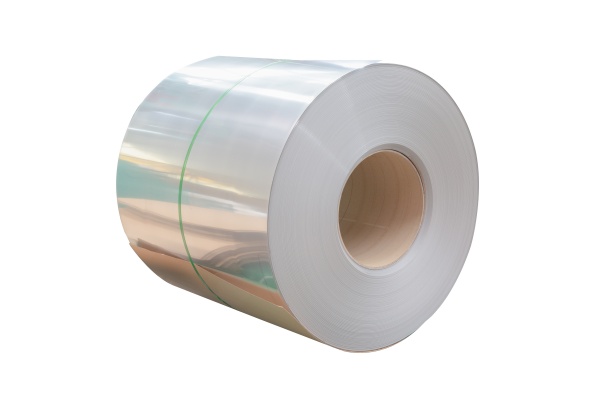
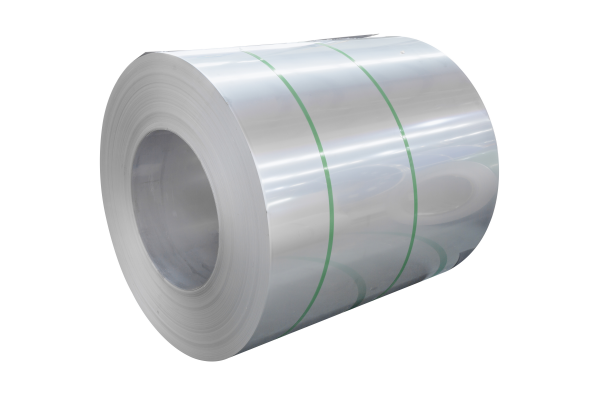
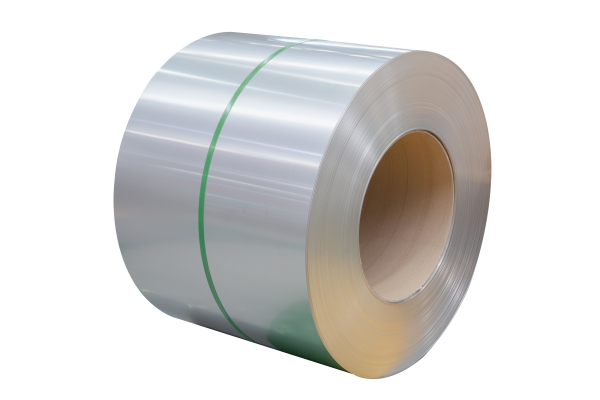
| Product Name | Inconel 600 Strip, Alloy 600 Coil, UNS N06600 Precision Ribbon |
| Equivalent Grade | Inconel 600, UNS N06600, Alloy 600, W.Nr. 2.4816 |
| Standard | ASTM B168, ASTM B906, AMS 5540, ASME SB168 |
| Process | Cold Rolled (CR), Annealed & Pickled (AP), Bright Annealed (BA) & Slitted |
| Sizes | Thickness: 0.05 - 3.0mm; Width: 5 - 600mm; Length: Continuous Coil / Cut to length |
| Edge & Surface Finish | Edges: Mill, Deburred, Slit, Rounded; Finish: 2B, BA (Bright Annealed), Polished |
| Temper Condition | Soft Annealed (1750°F-1850°F / 954°C-1010°C), Spring Hard (Customized Tempers) |
| Application | Heat Treating Retorts & Baskets, Caustic Evaporator Components, Nuclear Steam Generator Parts, Thermal Gaskets |
Inconel 600 (UNS N06600) precision strip is widely specified for thermal processing fixtures, caustic evaporation equipment, and nuclear power components. Its precision cold-rolled gauge tolerances and controlled annealing process ensure exceptional ductility for stamping, high structural stability at temperatures up to 1095°C (2000°F), and immune-like resistance to caustic alkali corrosion.
| Single Strip Of Rolling & Slitting Specification | |||||
|---|---|---|---|---|---|
| Thickness/Width | 10 - 50mm | 50 - 150mm | 150 - 300mm | 300 - 500mm | 500 - 600mm |
| 0.05 - 0.2mm | √ | √ | √ | - | - |
| 0.2 - 0.8mm | √ | √ | √ | √ | √ |
| 0.8 - 1.5mm | √ | √ | √ | √ | √ |
| 1.5 - 3.0mm | √ | √ | √ | √ | √ |
Hastelloy C276:
The hot forming of Hastelloy C-276 should be between 1600 and 2250°F (870 and 1230°C), with all heavy forming above 2000°F (1090°C). The alloy is normally annealed at 2100-2150°F (1150-1175°C) and rapidly cooled such as by water quenching.
Hastelloy C276:
Hastelloy C-276 is also suitable for cold forming processes, the cold working process include techniques such as bending, drawing, deep drawing, or cold rolling etc,. The alloy exhibits high work hardening rates, meaning it becomes harder and more difficult to deform as it is cold worked. Frequent annealing or intermediate heat treatments may be necessary to restore ductility and reduce the risk of cracking.
Inconel 600:
The recommended temperature range of normal hot-working is 1600° to 2250°F (870° to 1230°C), heavy hot-working is 1900° to 2250°F (1040° to 1230°C), light hot-working is down to 1600°F (870°C). It is important to note that Inconel 600 has low ductility at temperatures between 1200° and 1600°F (650° and 870°C) and should not be worked in that range. High tensile properties can be developed in the material by careful working at temperatures below 1200°F (650°C).
| Material | Ni | Cr | Fe | C | Mn | S | Si | Cu |
|---|---|---|---|---|---|---|---|---|
| N06600 | ≥ 72.0 | 14.0-17.0 | 6.0-10.0 | ≤ 0.15 | ≤ 1.00 | ≤ 0.015 | ≤ 0.50 | ≤ 0.50 |
| Material / Condition | Tensile strength | Yield strength 0.2 | Elongation | Hardness HV |
|---|---|---|---|---|
| N06600 (Annealed) | ≥ 550 N/mm² | ≥ 240 N/mm² | ≥ 30% | ≤ 180 HV |
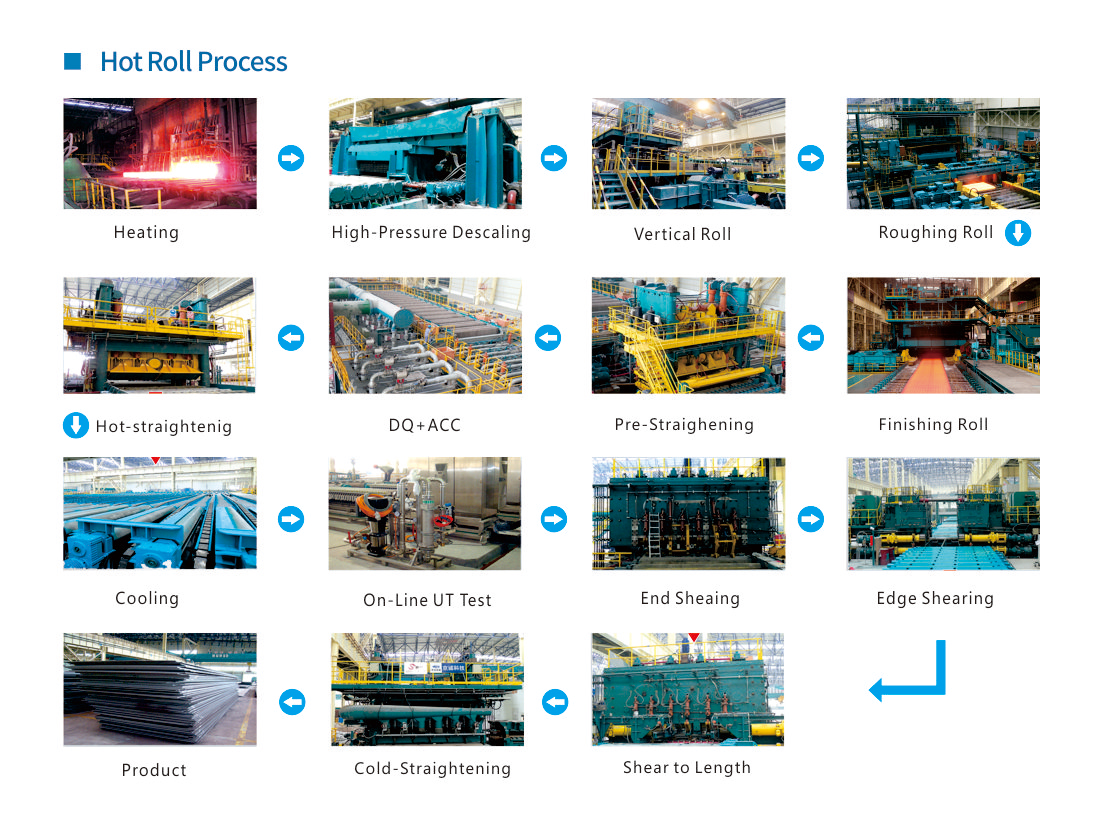
Hot rolling is a metalworking process. Such as steel ingots or billets are difficult to deform and process at room temperature, they are generally heated to 1100 to 1250° for rolling, this rolling process is called hot rolling. Most steel materials are rolled by hot rolling, the steel delivered in the hot-rolled state has a certain degree of corrosion resistance due to the high temperature, so it can bestored in the open air. In addition, hot rolling is that it can destroy the casting structure of the ingot, refine the grain of the steel, eliminate structural defects, make the steel structure dense, and improve the hardness of the hot rolled steel.
How Does The Precipitation Hardening Process Affect Inconel 718 Plates?
Answer:
The precipitation hardening process significantly enhances the mechanical properties of Inconel 718 plates by forming gamma prime (γ') and gamma double prime (γ'') phases, which improve tensile strength and creep resistance. This aging treatment allows Inconel 718 to maintain stability at high temperatures, making it ideal for applications requiring superior strength and deformation resistance under extreme mechanical loads. This property is crucial for industries like aerospace and power generation, where reliable performance is mandatory.
What Are The High-Temperature Capabilities Of Incoloy 925?
Answer:
Incoloy 925 can operate continuously at temperatures up to 1100°C (2000°F), and it has significantly higher high-temperature strength and creep resistance compared to standard stainless steels. This is achieved through the alloy's carefully engineered chemical composition, which allows it to maintain excellent mechanical properties even under extreme heat.