E-mail : service@ronsteel.comPhone : +8617773160488

Product & Service

Our products conform to GB, AISI, ASTM, DIN, EN, JIS standard for stainlesss steel coil, sheet and plate.

Inconel 713C plate, UNS N07713 sheet, 713C cast plate, alloy 713C slab, vacuum investment casting Inconel 713C, turbine nozzle plate
BackYou are in :  Home  >  Product & Service  >  Nickel Alloy Plate  >  Nickel Alloy Inconel 713C Plate

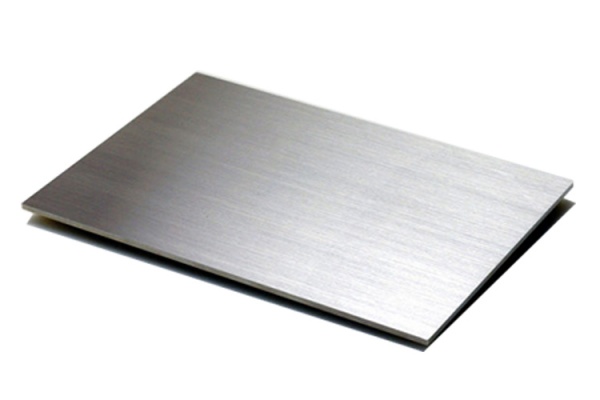
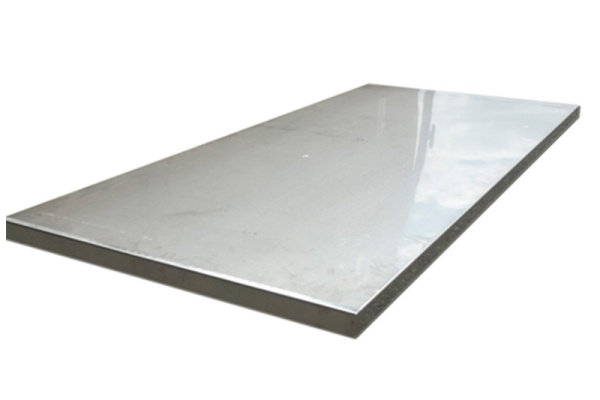
Nickel Alloy Inconel 713C Plate

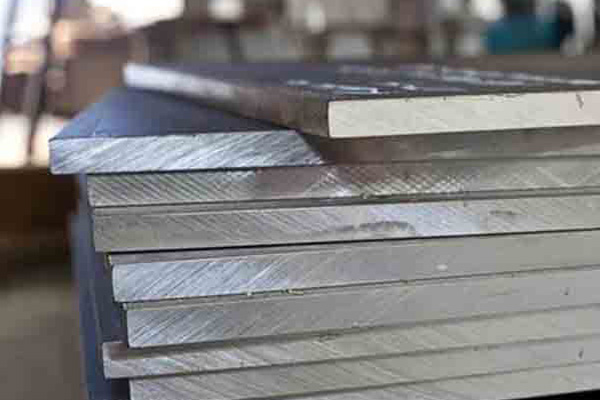
Premium Inconel 713C (UNS N07713) vacuum investment cast plate engineered for extreme thermal environments and high stress-rupture applications up to 980°C (1800°F). Exceptional Stress-Rupture Strength: Gamma primary (γ') precipitation-hardened alloy providing outstanding high-temperature load-bearing capacity. Outstanding Oxidation Resistance: High aluminum content (approx. 6.0%) forms a self-healing alumina protective film under severe cyclic heating. Vacuum Investment Cast Integrity: Produced via tight-tolerance vacuum melting (VIM) to ensure zero internal porosity and superior structural density. Engineered for Extreme Thermal Machinery: Specialized for gas turbine stator vanes, hot-gas duct components, and high-temp furnace fixtures.
Nickel Alloy Inconel 713C Plate

MORE DETAILS ABOUT Nickel Alloy Inconel 713C Plate


High Volume Fraction γ' Phase Strengthening for High-Stress Service


Intermetallic Compound Hardening: Heavily strengthened by Ni₃(Al, Ti) gamma prime precipitates, securing superior mechanical stability.


Superior High-Temperature Load Bearing: Maintains high yield strength and creep-rupture capability under severe stress up to 980°C (1800°F).


Resistance to Thermal Fatigue: Specially balanced addition of Zirconium (Zr) and Boron (B) strengthens grain boundaries against micro-cracking.


Engineered for Turbomachinery: Designed specifically for gas turbine components where hot-strength limits cannot be compromised.


Product Name Inconel 713C Plate, Alloy 713C Cast Slab, UNS N07713 Block
Equivalent Grade Inconel 713C, UNS N07713, Alloy 713C, Cast Nickel Alloy 713C
Standard ASTM B517 (Castings), AMS 5391, ISO 15156
Process Vacuum Induction Melting (VIM) + Vacuum Investment Casting / HIP
Sizes Thickness: 3 - 50mm; Custom Cast Dimensions per Technical Drawings
Surface Treatment As-Cast, Sandblasted, Machined, CNC Milled, Precision Ground
Fabricating EDM Wire Cutting, CNC Machining, Precision Grinding, Lapping
Application Gas Turbine Guide Vanes, Turbocharger Rotors, Hot-Gas Plates, Furnace Trays

GENERAL INFO ABOUT EACH Nickel Alloy Plate GRADE

Inconel 713C (UNS N07713) is a precipitation-hardenable nickel-chromium base cast alloy. It exhibits outstanding stress-rupture properties at temperatures up to 1800°F (980°C) and excellent oxidation resistance under cyclic thermal service. Due to its high aluminum and molybdenum content, 713C plates are supplied as high-precision vacuum investment cast slabs or CNC-machined custom blocks, making them highly effective for critical aerospace components and heavy industrial gas turbine hot section tooling.

Custom Cast Plate Specification
Thickness Range Max Length (mm) Max Width (mm) Surface Condition Dimension Tolerance
3 - 10mm 500 300 As-Cast / Ground ±0.2 mm
10 - 25mm 800 400 As-Cast / Machined ±0.3 mm
25 - 50mm 1000 500 Machined / Ground ±0.5 mm
> 50mm Custom Custom Fully Machined Per Blueprint

MORE DETAILS ABOUT EACH Nickel Alloy Plate GRADE

  • Hot Forming For NICKEL ALLOY INCONEL 600 PLATE
  • Cold Forming For NICKEL ALLOY INCONEL 625 PLATE
  • Cold Forming For NICKEL ALLOY INCONEL 718 PLATE

Inconel 600:


The recommended temperature range of normal hot-working is 1600° to 2250°F (870° to 1230°C), heavy hot-working is 1900° to 2250°F (1040° to 1230°C), light hot-working is down to 1600°F (870°C). It is important to note that Inconel 600 has low ductility at temperatures between 1200° and 1600°F (650° and 870°C) and should not be worked in that range. High tensile properties can be developed in the material by careful working at temperatures below 1200°F (650°C).

Inconel 625:


Inconel 625 can be cold-formed by standard processes. Increased tensile properties can be achieved by cold work for moderate temperature applications. Tensile strengths of more than 300,000 psi accompanied by good ductility have been developed in 0.010-0.020-in-diameter wire after 75-90% cold reduction.

Inconel 718:


Inconel 718 can be cold-formed by standard procedures used for steel and stainless steel. 

CHEMICAL PROPERTIES

Material Ni Cr Mo Nb Al Ti C Fe Zr B Si Mn S
N07713 Bal 11.5-14.5 3.8-5.2 1.8-2.8 5.5-6.5 0.5-1.2 0.08-0.20 2.5 max 0.05-0.15 0.005-0.015 0.5 max 0.5 max 0.015 max

MECHANICAL PROPERTIES

Material Tensile strength Yield strength 0.2 Elongation Hardness HRC
N07713 ≥ 750 N/mm² ≥ 620 N/mm² ≥ 3% 33 - 40 HRC

MORE DETAILS ABOUT EACH Nickel Alloy Plate PROCESS

  • Hot Rolled
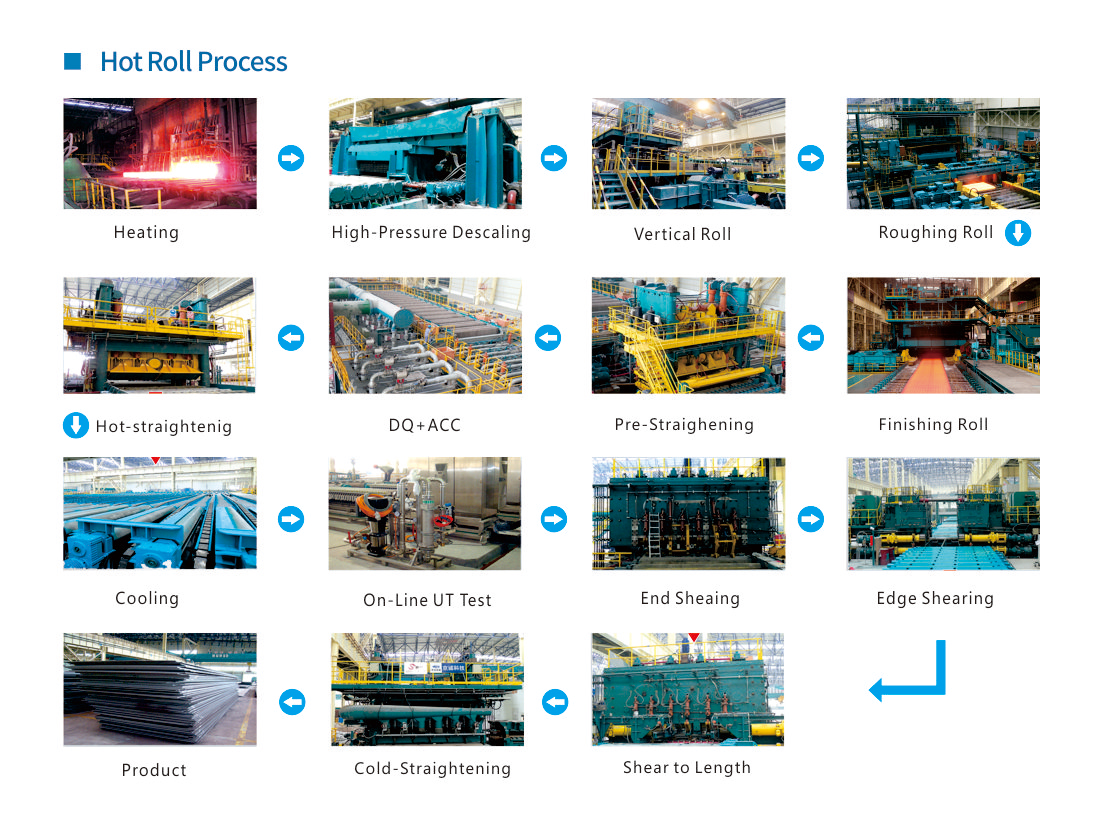
  • Hot Roll Process

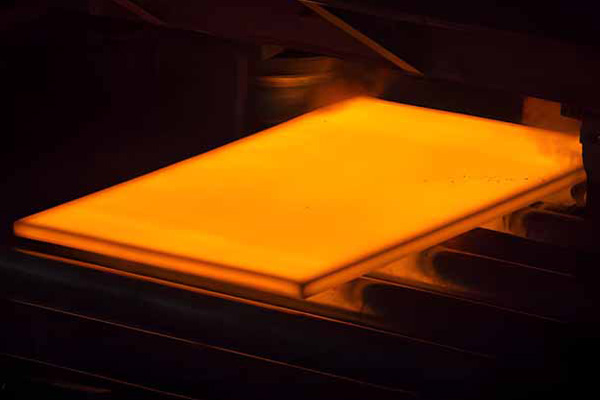
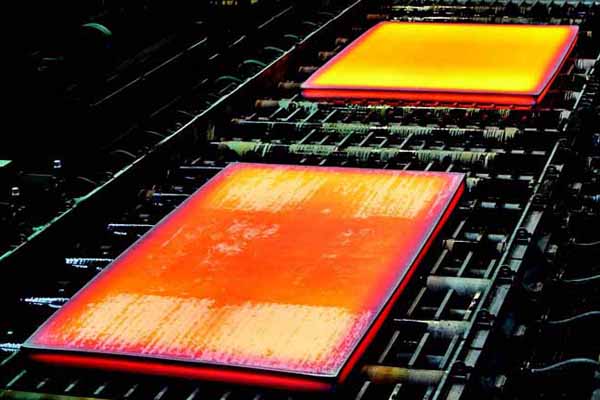
Hot rolling is a metalworking process. Such as steel ingots or billets are difficult to deform and process at room temperature, they are generally heated to 1100 to 1250° for rolling, this rolling process is called hot rolling. Most steel materials are rolled by hot rolling, the steel delivered in the hot-rolled state has a certain degree of corrosion resistance due to the high temperature, so it can bestored in the open air. In addition, hot rolling is that it can destroy the casting structure of the ingot, refine the grain of the steel, eliminate structural defects, make the steel structure dense,  and improve the hardness of the hot rolled steel.

MORE DETAILS ABOUT EACH Nickel Alloy Plate SURFACE

  • NO.1
  • BA
  • HL
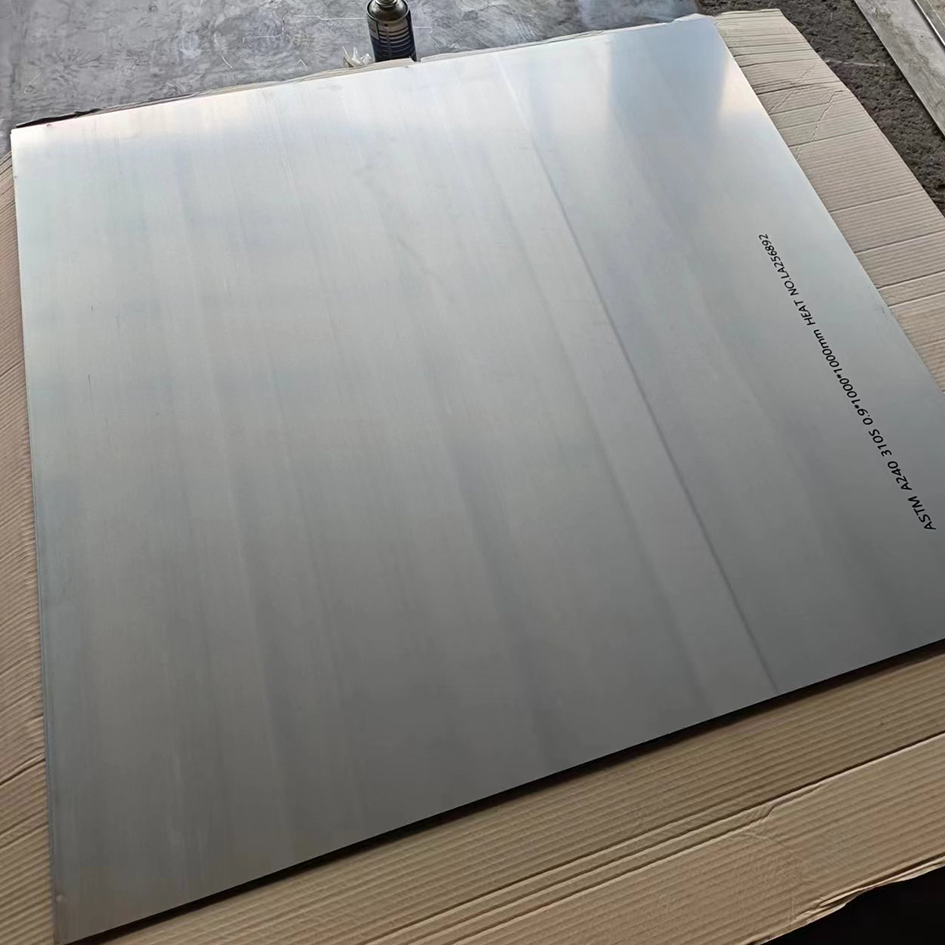
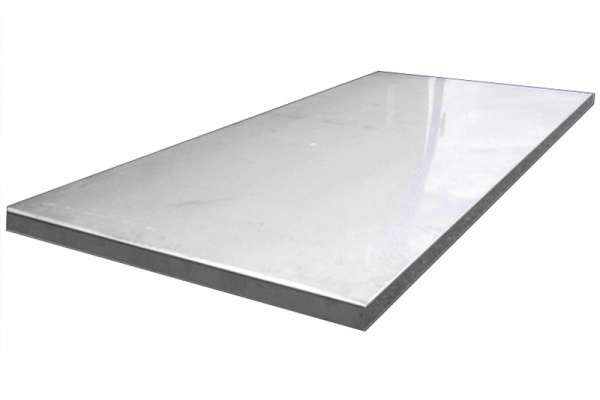
NO.1 surface treated by heat treatment and pickling after hot rolling. The  appearance is silver white, matt and bright. This surface is suitable for industries that require heat resistance and corrosion resistance, and the surface brightness is not important. Common applications include industrial tank and chemical industrial plants etc..
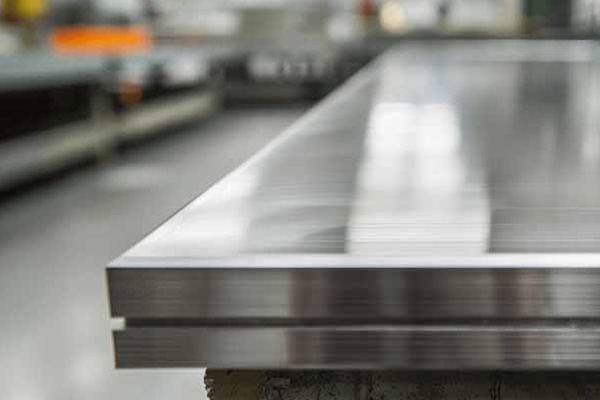
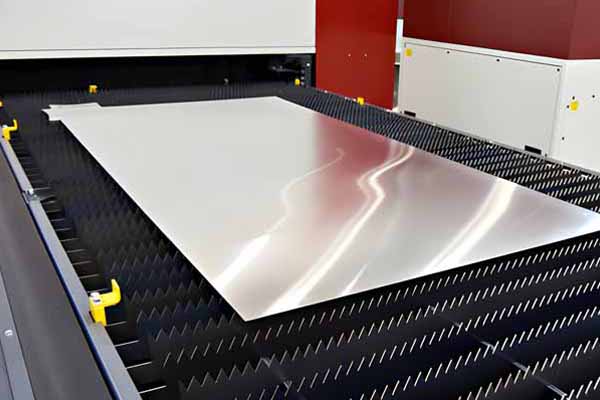
BA surface is also produced by cold rolling and de-scaling. It has excellent surface gloss, high reflectivity. In addition, The very smooth surface also makes this surface highly suitable for further finishing processes such as mirror polishing and chrome plating. Common applications include catering equipment etc..
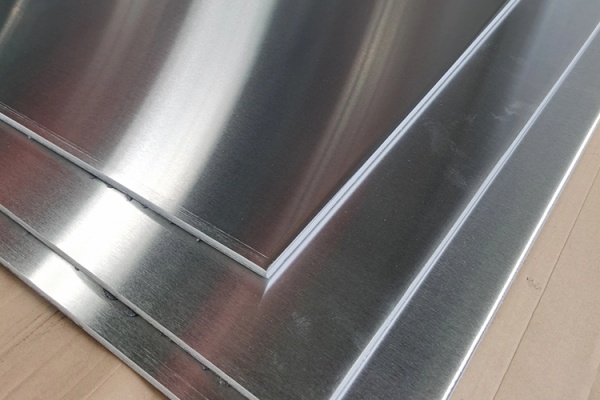
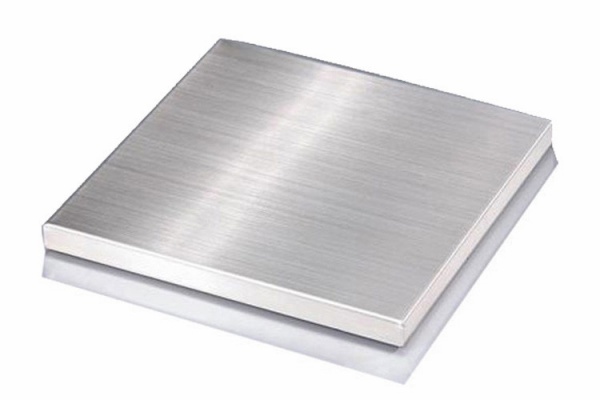
HL use a polishing abrasive belt with an appropriate particle size (150-320 mesh) to grind, with obvious straight stripes. The surface is beautiful, good texture and scratch is not obvious, durable,  wear-resistant. Common applications include building decoratio, elevators, vehicle parts, etc..

FREQUENTLY ASKED QUESTIONS

  • How Can I Ensure The Quality Of Inconel 625 Plates?
  • How Does The Precipitation Hardening Process Affect Inconel 718 Plates?
  • What Is The Corrosion Resistance Of Incoloy 925?

How Can I Ensure The Quality Of Inconel 625 Plates?


Answer:


Ensuring the quality of Inconel 625 plates involves sourcing from reputable suppliers who adhere to industry standards and quality assurance protocols. Look for certifications such as ASTM, ASME, or ISO standards that verify the material's compliance with required specifications. Conducting material tests, including chemical analysis and mechanical testing, can further ensure the plates meet performance expectations.


How Does The Precipitation Hardening Process Affect Inconel 718 Plates?


Answer:


The precipitation hardening process significantly enhances the mechanical properties of Inconel 718 plates by forming gamma prime (γ') and gamma double prime (γ'') phases, which improve tensile strength and creep resistance. This aging treatment allows Inconel 718 to maintain stability at high temperatures, making it ideal for applications requiring superior strength and deformation resistance under extreme mechanical loads. This property is crucial for industries like aerospace and power generation, where reliable performance is mandatory.


What Is The Corrosion Resistance Of Incoloy 925?


Answer:


Incoloy 925 exhibits excellent corrosion resistance across a wide range of highly corrosive environments due to its balanced composition of nickel, chromium, and molybdenum. It provides superior protection against corrosion from acids, alkalis, salt spray, and other aggressive media.


Related news

Start your project today

We use cookies to offer a better browsing experience, analyze site traffic, and personalize content. By using this site, you agree to our use of cookies.

Accept
Decline