E-mail : service@ronsteel.comPhone : +8617773160488
English
РусскийOur products conform to GB, AISI, ASTM, DIN, EN, JIS standard for stainlesss steel coil, sheet and plate.
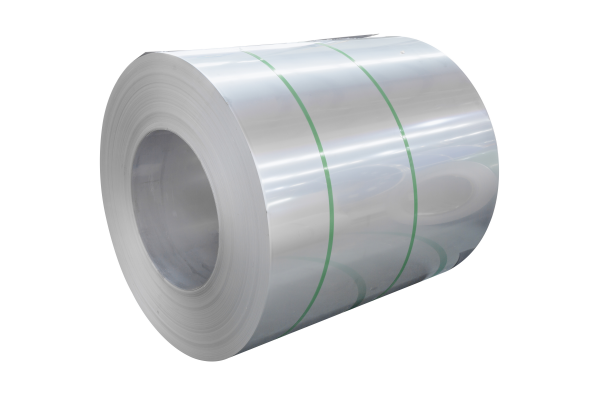
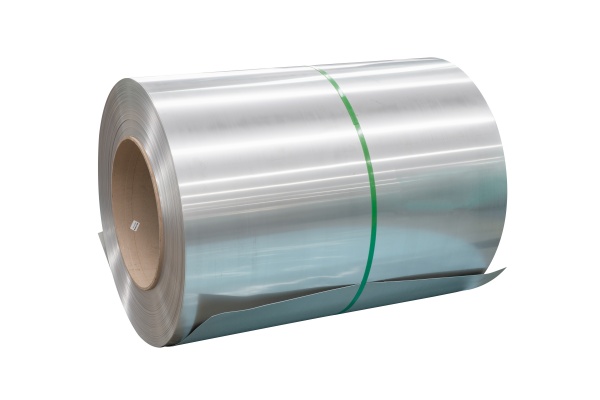
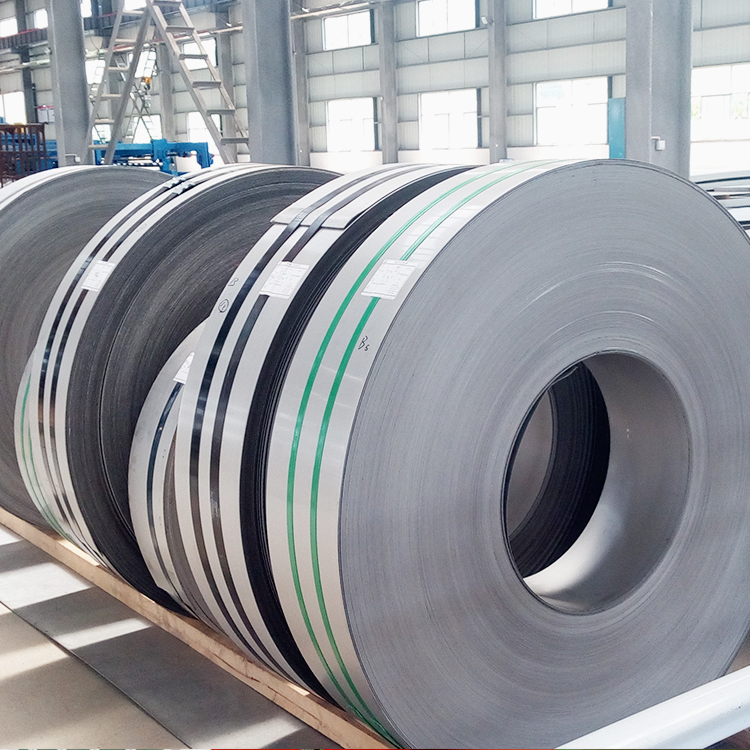
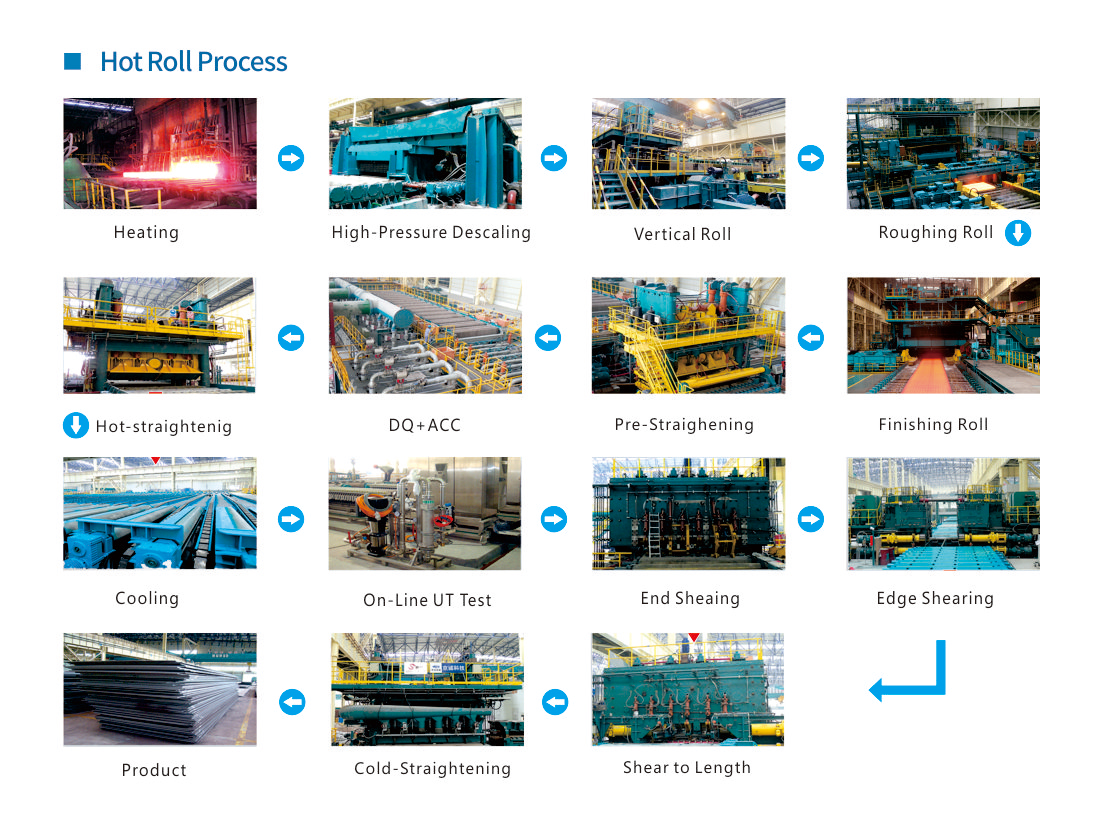
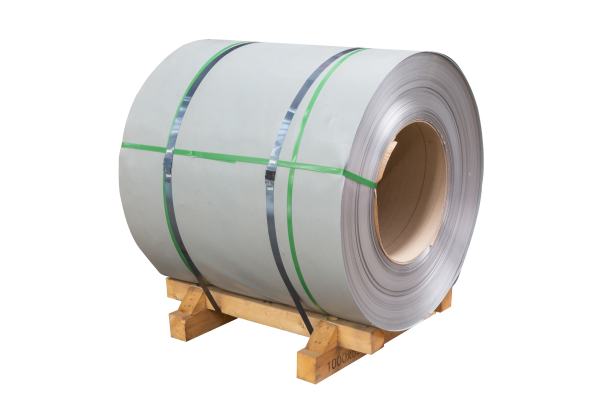
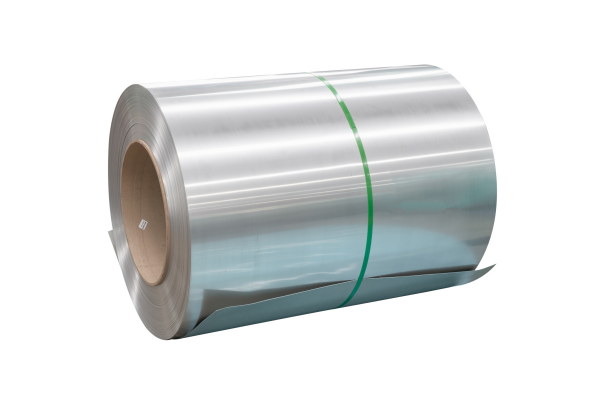
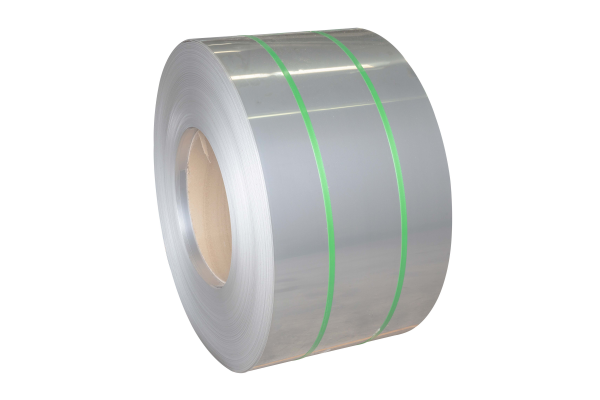
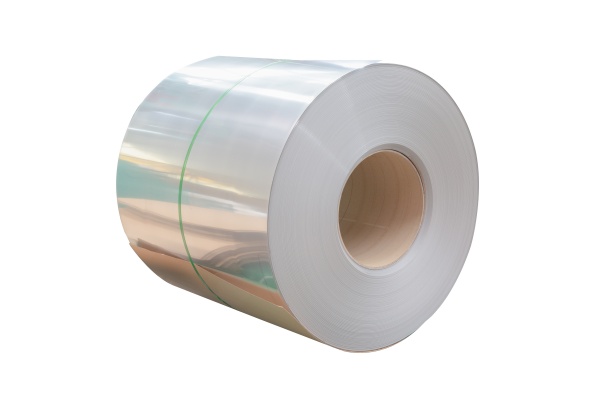
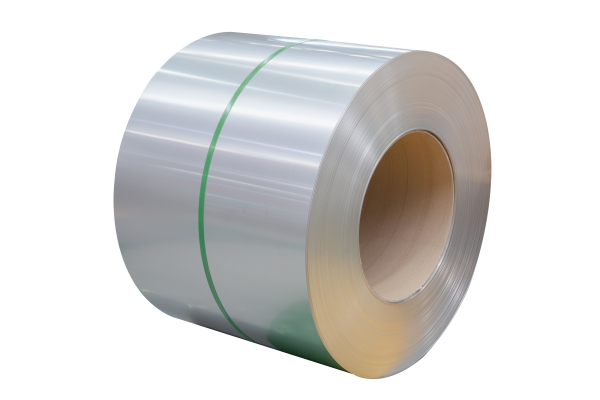
| Product Name | Incoloy 825 Strip, Alloy 825 Coil, UNS N08825 Precision Ribbon |
| Equivalent Grade | Incoloy 825, Inconel 825, UNS N08825, Alloy 825, W.Nr. 2.4858 |
| Standard | ASTM B424, ASTM B906, ASME SB424, DIN 17750 |
| Process | Cold Rolled (CR), Annealed & Pickled (AP), Bright Annealed (BA) & Slitted |
| Sizes | Thickness: 0.05 - 3.0mm; Width: 5 - 600mm; Length: Continuous Coil / Cut to length |
| Edge & Surface Finish | Edges: Mill, Deburred, Slit, Rounded; Finish: 2B, BA (Bright Annealed), Polished |
| Temper Condition | Soft / Annealed (Deep Drawing Quality), Quarter Hard, Half Hard |
| Application | Chemical Gaskets, Expansion Joints/Bellows, Flue Gas Desulfurization (FGD), Oil & Gas Downhole Components |
Incoloy 825 (UNS N08825) precision strip is widely processed into chemical metallic gaskets, thin-walled expansion bellows, and welded heat-exchanger tubing. Its tight cold-rolling gauge control and bright-annealed finish provide optimal mechanical consistency and high resistance against pitting, crevice corrosion, and aggressive sulfuric acid environments.
| Single Strip Of Rolling & Slitting Specification | |||||
|---|---|---|---|---|---|
| Thickness/Width | 10 - 50mm | 50 - 150mm | 150 - 300mm | 300 - 500mm | 500 - 600mm |
| 0.05 - 0.2mm | √ | √ | √ | - | - |
| 0.2 - 0.8mm | √ | √ | √ | √ | √ |
| 0.8 - 1.5mm | √ | √ | √ | √ | √ |
| 1.5 - 3.0mm | √ | √ | √ | √ | √ |
Hastelloy C276:
Hastelloy C-276 is also suitable for cold forming processes, the cold working process include techniques such as bending, drawing, deep drawing, or cold rolling etc,. The alloy exhibits high work hardening rates, meaning it becomes harder and more difficult to deform as it is cold worked. Frequent annealing or intermediate heat treatments may be necessary to restore ductility and reduce the risk of cracking.
Inconel 600:
Inconel 600 can be cold-formed using standard processes employed for steel and stainless steel. The rate of work hardening is higher than that of mild steel but lower than the rate observed in Type 304 stainless steel.
| Material | Ni | Cr | Fe | Mo | Cu | Ti | C | Mn | Si | S |
|---|---|---|---|---|---|---|---|---|---|---|
| N08825 | 38.0-46.0 | 19.5-23.5 | Bal (≥22.0) | 2.5-3.5 | 1.5-3.0 | 0.6-1.2 | 0.05 max | 1.00 max | 0.50 max | 0.03 max |
| Material / Condition | Tensile strength | Yield strength 0.2 | Elongation | Hardness HV |
|---|---|---|---|---|
| N08825 (Annealed) | ≥ 586 N/mm² | ≥ 241 N/mm² | ≥ 30% | ≤ 200 HV |
Hot rolling is a metalworking process. Such as steel ingots or billets are difficult to deform and process at room temperature, they are generally heated to 1100 to 1250° for rolling, this rolling process is called hot rolling. Most steel materials are rolled by hot rolling, the steel delivered in the hot-rolled state has a certain degree of corrosion resistance due to the high temperature, so it can bestored in the open air. In addition, hot rolling is that it can destroy the casting structure of the ingot, refine the grain of the steel, eliminate structural defects, make the steel structure dense, and improve the hardness of the hot rolled steel.
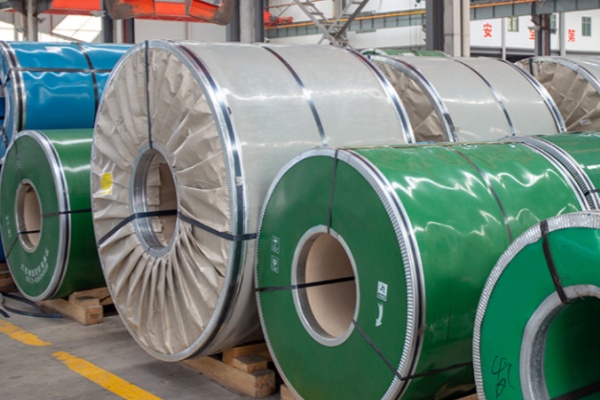
Cold rolling refers to a rolling process that uses the pressure of rolls to squeeze steel to change the shape of the steel at room temperature. The advantafe of cold rolling is fast forming speed, high output, the coating is not damaged, and it can be made into a variety of cross-sectional forms to meet the needs of the use conditions. In addition, cold rolling can cause large plastic deformation of the steel, thereby increasing the yield point of the steel. Which is Widely used in home appliances and other industries.
How Does The Precipitation Hardening Process Affect Inconel 718 Plates?
Answer:
The precipitation hardening process significantly enhances the mechanical properties of Inconel 718 plates by forming gamma prime (γ') and gamma double prime (γ'') phases, which improve tensile strength and creep resistance. This aging treatment allows Inconel 718 to maintain stability at high temperatures, making it ideal for applications requiring superior strength and deformation resistance under extreme mechanical loads. This property is crucial for industries like aerospace and power generation, where reliable performance is mandatory.
What Are The Welding Considerations For Inconel 718 Plates?
Answer:
Welding Inconel 718 plates requires careful control of parameters due to its susceptibility to cracking and deformation. Pre-heating and post-weld heat treatment are often necessary to ensure weld integrity and to prevent phase transformation that can lead to brittleness. The use of compatible filler materials, such as Inconel 718 itself or specific nickel-based fillers, is crucial to maintain the mechanical properties and corrosion resistance of the welded joints, making it suitable for demanding industrial applications.