E-mail : service@ronsteel.comPhone : +8617773160488
English
РусскийOur products conform to GB, AISI, ASTM, DIN, EN, JIS standard for stainlesss steel coil, sheet and plate.
Titanium & Aluminum Strengthening: Age-hardening treatment precipitates γ' phases, yielding a high yield strength exceeding 760 MPa (110 ksi).
Exceptional Fatigue Strength: Designed to withstand continuous cyclic mechanical stresses in high-pressure valves and spring components.
Controlled Solution Annealing: Delivered soft (≤ 20 HRC) for precise forming, with ultimate hardness (≥ 32 HRC) achieved after simple aging treatment.
Load-Bearing Reliability: Maintains high load capacity without deformation under harsh downhole or offshore operation conditions.
| Product Name | Incoloy 925 Strip, Alloy 925 Coil, UNS N09925 Precision Ribbon |
| Equivalent Grade | Incoloy 925, UNS N09925, Nickel Alloy 925 |
| Standard | NACE MR0175/ISO 15156, ASTM B805, ASME SB805 |
| Process | Cold Rolled (CR), Solution Annealed (SA), Age Hardened (AH), Bright Annealed (BA) & Slitted |
| Sizes | Thickness: 0.05 - 3.0mm; Width: 5 - 600mm; Length: Continuous Coil / Cut to length |
| Edge & Surface Finish | Edges: Mill, Deburred, Slit, Rounded; Finish: 2B, BA (Bright Annealed), Polished |
| Temper Condition | Solution Annealed (Soft), Aged / Age Hardened (High Strength) |
| Application | Downhole Sour Gas Tools, High-Strength Diaphragms, Valves & Fasteners, Marine Springs |
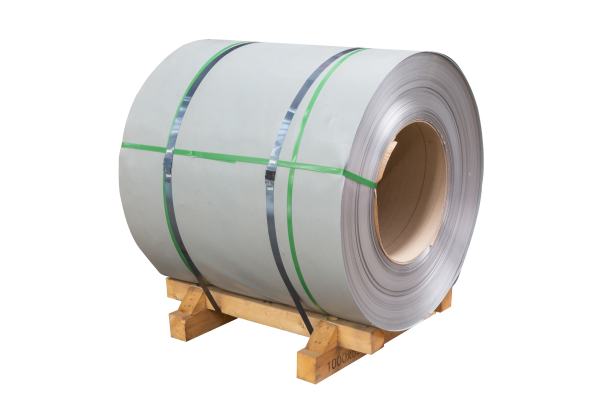
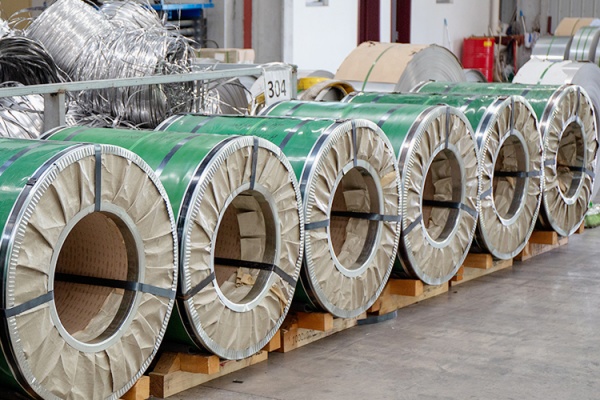
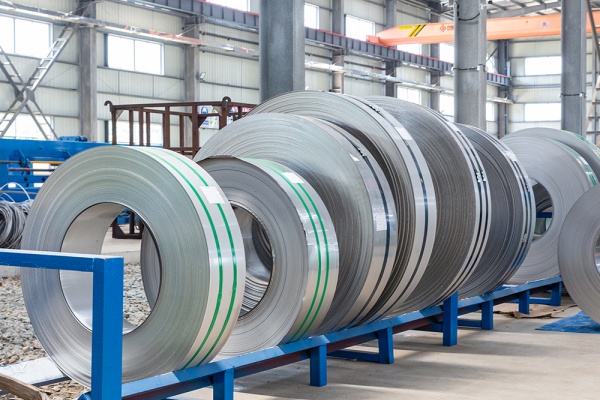
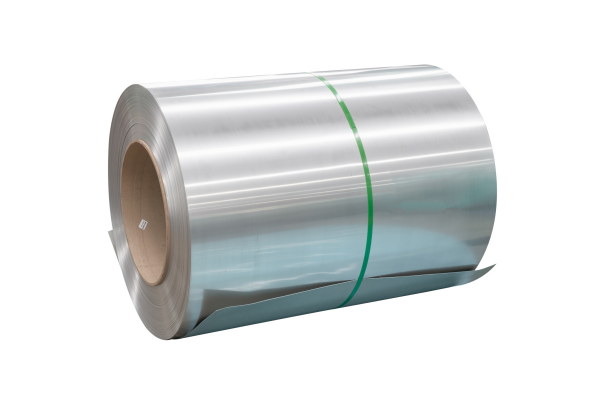
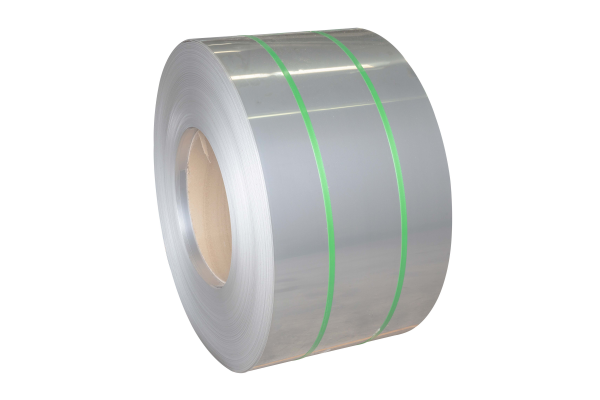
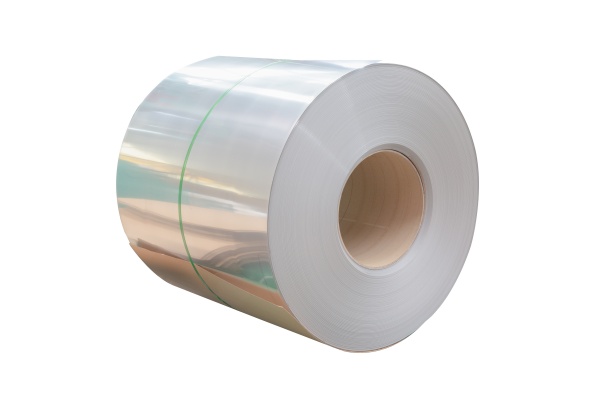
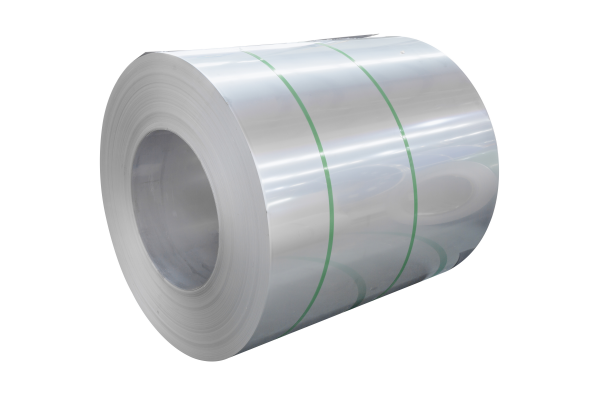
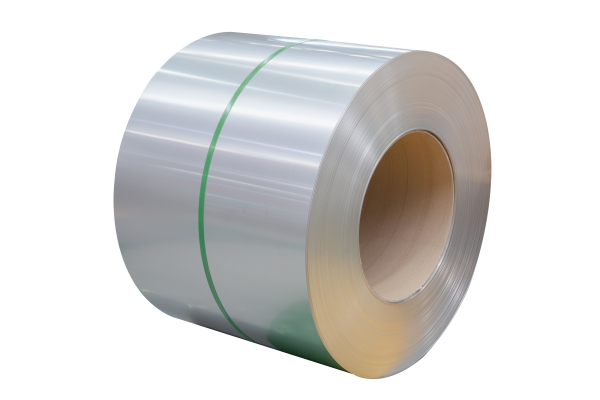
Incoloy 925 (UNS N09925) precision strip combines high mechanical strength achieved through precipitation hardening with superior resistance to sour gas (H2S) environments. Delivered in precision slitted coils, it offers optimal stamping performance for high-pressure oilfield diaphragms, corrosive fluid seals, and spring components.
| Single Strip Of Rolling & Slitting Specification | |||||
|---|---|---|---|---|---|
| Thickness/Width | 10 - 50mm | 50 - 150mm | 150 - 300mm | 300 - 500mm | 500 - 600mm |
| 0.05 - 0.2mm | √ | √ | √ | - | - |
| 0.2 - 0.8mm | √ | √ | √ | √ | √ |
| 0.8 - 1.5mm | √ | √ | √ | √ | √ |
| 1.5 - 3.0mm | √ | √ | √ | √ | √ |
Inconel 600:
The recommended temperature range of normal hot-working is 1600° to 2250°F (870° to 1230°C), heavy hot-working is 1900° to 2250°F (1040° to 1230°C), light hot-working is down to 1600°F (870°C). It is important to note that Inconel 600 has low ductility at temperatures between 1200° and 1600°F (650° and 870°C) and should not be worked in that range. High tensile properties can be developed in the material by careful working at temperatures below 1200°F (650°C).
Inconel 625:
Inconel 625 was especially developed to retain high strength at elevated temperature, it resists deformation at hot-working temperatures. If hot forming of this alloy is required, powerful equipment is necessary. When Alloy 625 is hot-formed, it should be heated in a furnace whose temperature is held at (but not above) 2150°F. To guard against duplex grain structure, the work should be given uniform reductions. Final minimum reductions of 15 to 20% for open-die work are recommended.
Inconel 625:
Inconel 625 can be cold-formed by standard processes. Increased tensile properties can be achieved by cold work for moderate temperature applications. Tensile strengths of more than 300,000 psi accompanied by good ductility have been developed in 0.010-0.020-in-diameter wire after 75-90% cold reduction.

| Material | Ni | Cr | Mo | Cu | Ti | Al | C | Fe |
|---|---|---|---|---|---|---|---|---|
| N09925 | 38.0-46.0 | 19.5-22.5 | 2.5-3.5 | 1.5-3.0 | 1.9-2.4 | 0.1-0.5 | ≤ 0.03 | Bal. |
| Material / Condition | Tensile strength | Yield strength 0.2 | Elongation | Hardness |
|---|---|---|---|---|
| N09925 (Solution Annealed) | ≥ 650 N/mm² | ≥ 275 N/mm² | ≥ 30% | ≤ 20 HRC |
| N09925 (Age Hardened) | ≥ 1030 N/mm² | ≥ 760 N/mm² | ≥ 18% | ≥ 32 HRC |
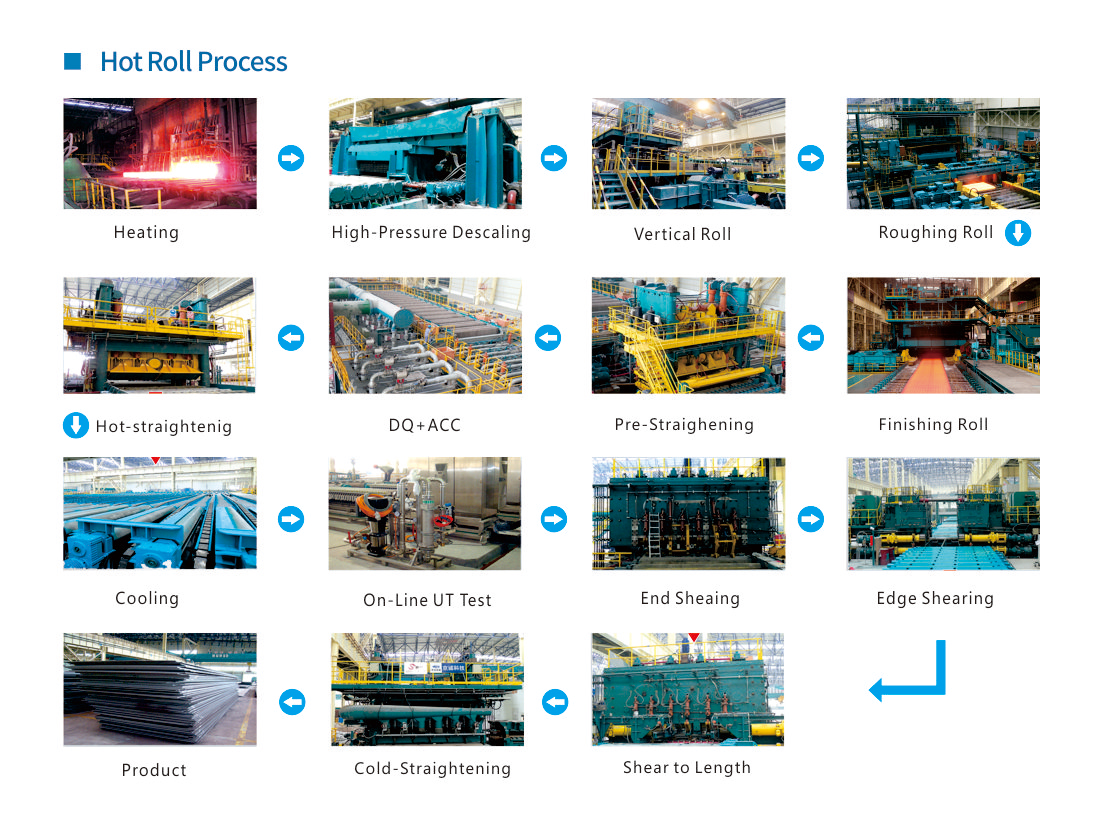
Hot rolling is a metalworking process. Such as steel ingots or billets are difficult to deform and process at room temperature, they are generally heated to 1100 to 1250° for rolling, this rolling process is called hot rolling. Most steel materials are rolled by hot rolling, the steel delivered in the hot-rolled state has a certain degree of corrosion resistance due to the high temperature, so it can bestored in the open air. In addition, hot rolling is that it can destroy the casting structure of the ingot, refine the grain of the steel, eliminate structural defects, make the steel structure dense, and improve the hardness of the hot rolled steel.
How Should Inconel 600 Plates Be Stored And Handled?
Answer:
Inconel 600 plates should be stored in a clean, dry environment to prevent contamination and surface damage. Protective coatings or coverings can be used during storage and transportation to maintain the quality of the material. Handling should be done with care to avoid scratches or impacts that could compromise the surface finish, especially in applications where appearance and integrity are critical.
Are There Any Special Maintenance Requirements For Inconel 625 Plates?
Answer:
Inconel 625 plates generally require minimal maintenance due to their inherent corrosion resistance and durability. However, regular inspections are recommended to ensure that no external factors, such as accumulated debris or chemical exposure, have compromised their performance. In harsh environments, periodic cleaning with appropriate agents may be necessary to remove contaminants and maintain the alloy's effectiveness.