E-mail : service@ronsteel.comPhone : +8617773160488

Product & Service

Our products conform to GB, AISI, ASTM, DIN, EN, JIS standard for stainlesss steel coil, sheet and plate.

17-4 PH plate, UNS S17400 sheet, Type 630 stainless plate, 17-4PH H900 plate, precipitation hardening steel plate, 17-4PH Condition A plate
BackYou are in :  Home  >  Product & Service  >  Stainless Steel Plate  >  17-4 PH Stainless Plates

17-4 PH Stainless Plates

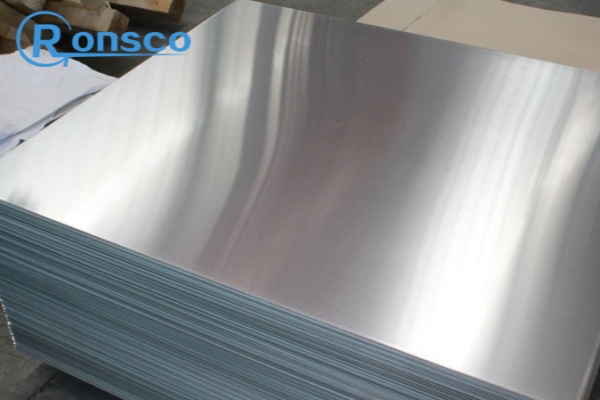
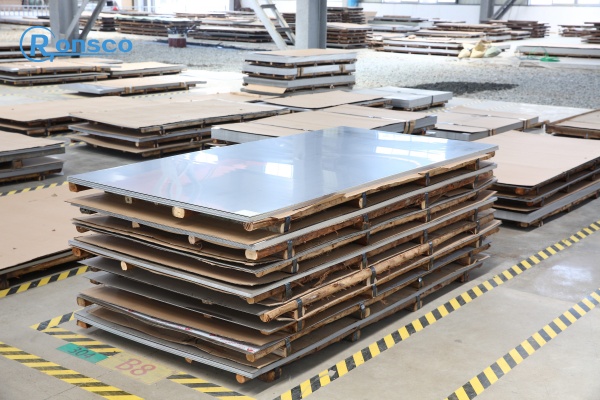
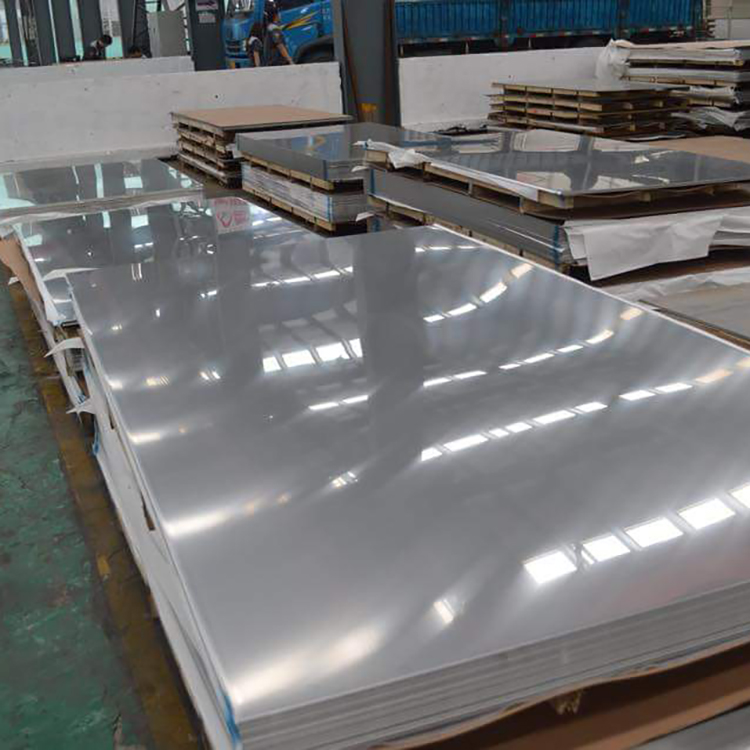
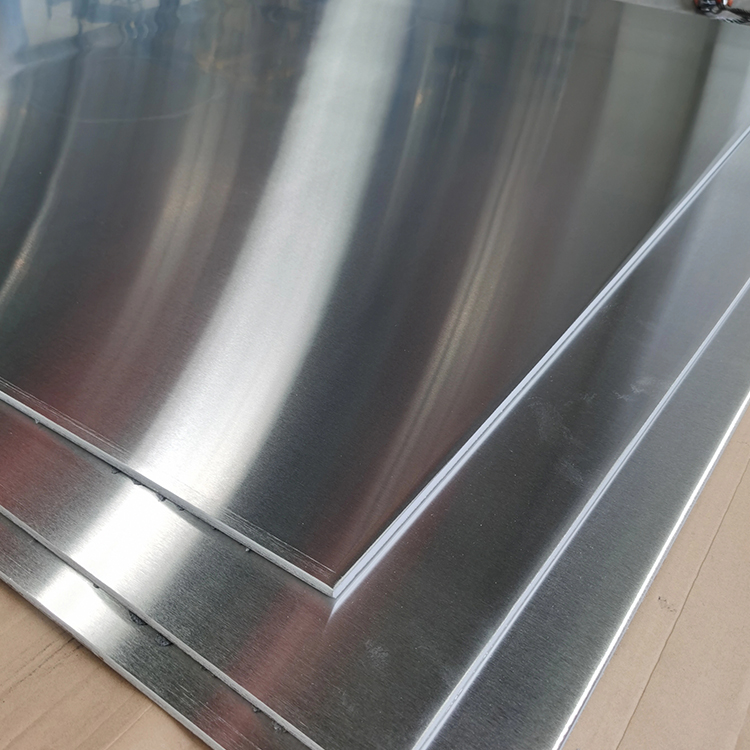
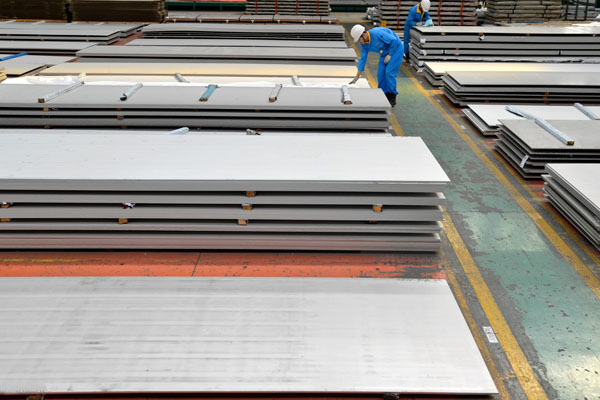
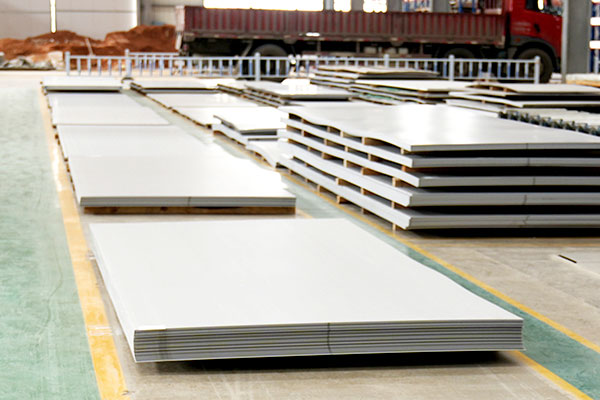
High-strength cold-rolled and hot-rolled 17-4 PH stainless steel plates (UNS S17400 / Type 630) engineered for aerospace, chemical, and demanding structural applications requiring exceptional strength and moderate corrosion resistance. Precipitation-Hardening High Strength: Copper-addition chemistry enables significant strengthening via simple low-temperature heat treatment (aging from H900 to H1150). Corrosion Resistance Comparable to 304: Offers far superior corrosion protection compared to standard hardenable 400-series martensitic stainless steels. Versatile Heat Treatment Conditions: Available in Solution Annealed (Condition A) for ease of machining, or pre-aged conditions (H900, H1025, H1050, H1150) for immediate structural use. High Fracture Toughness & Fatigue Resistance: Optimized chemistry provides reliable impact toughness and resistance to cyclic mechanical loading.
17-4 PH Stainless Plates

MORE DETAILS ABOUT 17-4 PH Stainless Plates

Flexible Mechanical Properties via Single-Step Aging

Tailorable High Strength: Simple single-step thermal aging produces yield strengths ranging from 725 MPa (H1150) up to 1170 MPa (H900).


Copper Precipitation Hardening: Tiny copper-rich precipitates lock dislocation movements, dramatically boosting hardness up to 44 HRC.


Controlled Toughness Trade-off: Higher aging temperatures (e.g., H1150) trade peak strength for improved impact toughness and stress-corrosion cracking resistance.


Condition A Delivery: Plates can be supplied in Condition A (Solution Annealed) to allow complex machining prior to final aging.


Product Name 17-4 PH Stainless Steel Plate, UNS S17400 Plate, Type 630 Sheet
Equivalent Grade 17-4PH, UNS S17400, Type 630, W.Nr. 1.4542, X5CrNiCuNb16-4
Standard ASTM A693, ASME SA693, AMS 5604, EN 10088-2
Process Hot Rolled (HR), Cold Rolled (CR), Solution Heat Treated, Aged
Sizes Thickness: 0.5 - 100mm; Width: 1000 - 2500mm; Length: 2000 - 6000mm (Cut to size)
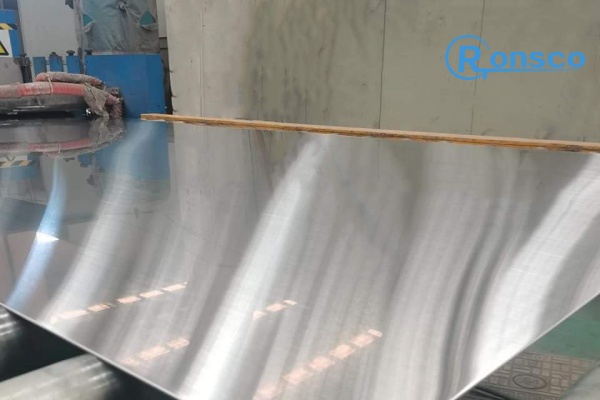
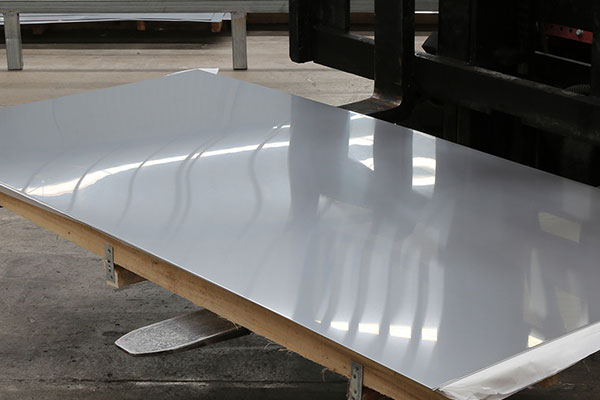
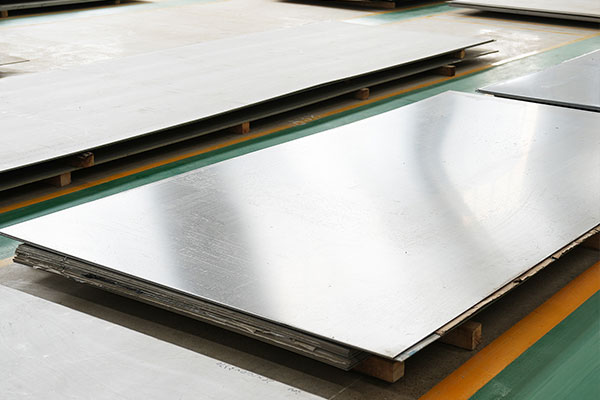
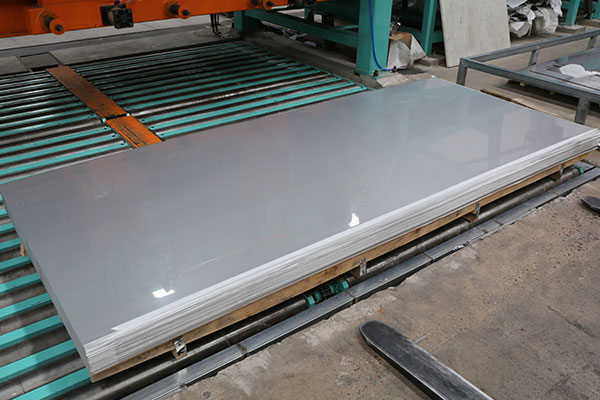
Surface Finish No.1, 2B, No.4, Hairline, Polished
Supply Condition Condition A (Solution Annealed), H900, H1025, H1050, H1150, Double H1150
Application Aerospace Structures, Pump & Valve Components, Hydraulic Actuators, Fasteners

GENERAL INFO ABOUT EACH Stainless Steel Plate GRADE

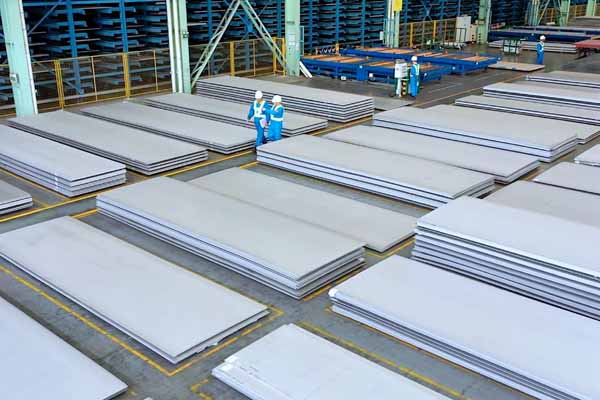
17-4 PH stainless steel plates combine high strength, hardness, and corrosion resistance through precipitation hardening. Available from thin cold-rolled sheets to heavy hot-rolled structural plates, we provide custom waterjet cutting, sawing, and heat treatment to suit exact project specifications.

17-4 PH Stainless Steel Plate Dimension & Processing Specification
Thickness Range Width Range Length Range Available Process / Service
0.5 - 3.0mm (CR) 1000 / 1220 / 1500mm 2000 / 2440 / 3000mm Cold Rolled, 2B/No.4 Finish, Laser Cutting
3.0 - 12.0mm (HR) 1500 / 1800 / 2000mm 3000 / 6000mm Hot Rolled, No.1 Finish, Waterjet Cutting
12.0 - 50.0mm (HR) 1500 / 2000 / 2200mm 4000 / 6000mm Heavy Plate, Waterjet / Saw Cutting
50.0 - 100.0mm (HR) 1500 / 2000mm Up to 6000mm Thick Plate, Custom Block Sawing, UT Testing

MORE DETAILS ABOUT EACH Stainless Steel Plate GRADE

  • Cold Forming For 309/309S STAINLESS STEEL PLATE
  • Hot Forming For 2205/2507 STAINLESS STEEL PLATE
  • Cold Forming For 2205/2507 STAINLESS STEEL PLATE

309/309S Stainless Steel Grade:


Cold forming of pieces with long-term exposure to high temperatures is not recommended since the stainless steel is subject to carbide precipitation.

2205/2507 Stainless Steel Grade:


When hot forming is required, the workpiece should be heated uniformly and worked in the range of 1750 to 2250°F. The duplex stainless steel plate is quite soft at these temperatures and is readily formed.


2205/2507 Stainless Steel Grade:


2205/2507 duplex stainless steel plate is readily cold formed on equipment suited to working stainless steels. However, because of the high strength and rapid work hardening of the grade, forces substantially higher than those for austenitic steels are required to cold form it. 

CHEMICAL PROPERTIES


Material Cr Ni Cu Nb + Ta C Mn Si P S Fe
UNS S17400 15.0-17.5 3.0-5.0 3.0-5.0 0.15-0.45 ≤ 0.07 ≤ 1.00 ≤ 1.00 ≤ 0.040 ≤ 0.030 Bal.

MECHANICAL PROPERTIES


Heat Treatment Condition Tensile Strength Yield Strength 0.2% Elongation Hardness
Condition A (Solution) ≤ 1100 MPa - ≥ 8% ≤ 38 HRC
H900 (Aged @ 482°C) ≥ 1310 MPa ≥ 1170 MPa ≥ 10% ≥ 40 HRC
H1025 (Aged @ 552°C) ≥ 1070 MPa ≥ 1000 MPa ≥ 12% ≥ 35 HRC
H1050 (Aged @ 566°C) ≥ 1000 MPa ≥ 930 MPa ≥ 12% ≥ 32 HRC
H1150 (Aged @ 621°C) ≥ 930 MPa ≥ 725 MPa ≥ 16% ≥ 28 HRC

MORE DETAILS ABOUT EACH Stainless Steel Plate PROCESS

  • Hot Rolled
  • Cold Rolled

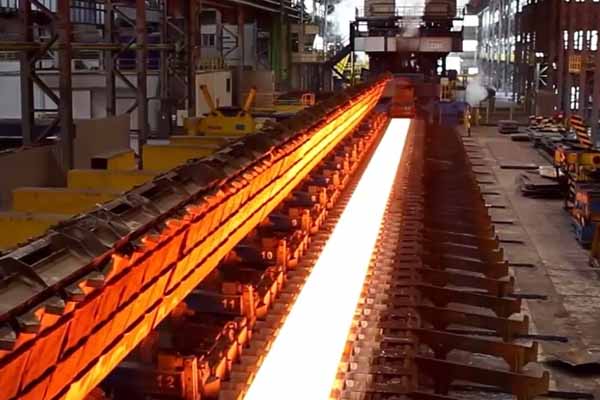
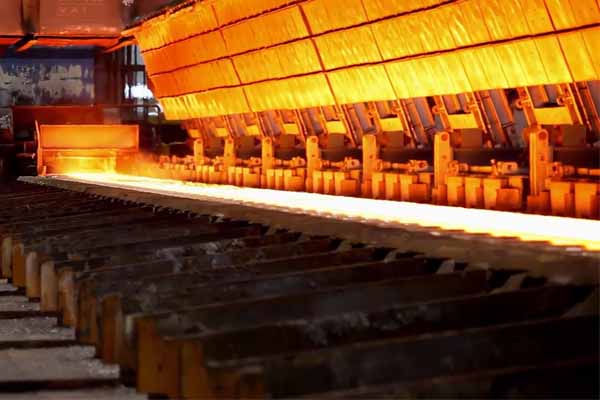
Hot rolling is a metalworking process. Such as steel ingots or billets are difficult to deform and process at room temperature, they are generally heated to 1100 to 1250° for rolling, this rolling process is called hot rolling. Most steel materials are rolled by hot rolling, the steel delivered in the hot-rolled state has a certain degree of corrosion resistance due to the high temperature, so it can bestored in the open air. In addition, hot rolling is that it can destroy the casting structure of the ingot, refine the grain of the steel, eliminate structural defects, make the steel structure dense,  and improve the hardness of the hot rolled steel.

Cold rolling refers to a rolling process that uses the pressure of rolls to squeeze steel to change the shape of the steel at room temperature. The advantafe of cold rolling is fast forming speed, high output, the coating is not damaged, and it can be made into a variety of cross-sectional forms to meet the needs of the use conditions. In addition, cold rolling can cause large plastic deformation of the steel, thereby increasing the yield point of the steel. Which is Widely used in home appliances and other industries.

MORE DETAILS ABOUT EACH Stainless Steel Plate SURFACE

  • NO.1
  • BA
NO.1 surface treated by heat treatment and pickling after hot rolling. The  appearance is silver white, matt and bright. This surface is suitable for industries that require heat resistance and corrosion resistance, and the surface brightness is not important. Common applications include industrial tank and chemical industrial plants etc..
BA surface is also produced by cold rolling and de-scaling. It has excellent surface gloss, high reflectivity. In addition, The very smooth surface also makes this surface highly suitable for further finishing processes such as mirror polishing and chrome plating. Common applications include catering equipment etc..

FREQUENTLY ASKED QUESTIONS

  • Is 904L Only Resistant To Organic Acids?
  • Which Industries Is 904L Applied For?
  • Are There Any Special Maintenance Requirements For Inconel 625 Plates?

Is 904L Only Resistant To Organic Acids?


Answer:


It offers good resistance to other inorganic acids such as hot phosphoric acid as well as most organic acids.

Which Industries Is 904L Applied For?


Answer:


Oil & gas, chemical Processing and pharmaceutical Industry etc..

Are There Any Special Maintenance Requirements For Inconel 625 Plates?


Answer:


Inconel 625 plates generally require minimal maintenance due to their inherent corrosion resistance and durability. However, regular inspections are recommended to ensure that no external factors, such as accumulated debris or chemical exposure, have compromised their performance. In harsh environments, periodic cleaning with appropriate agents may be necessary to remove contaminants and maintain the alloy's effectiveness.


Related news

Start your project today

We use cookies to offer a better browsing experience, analyze site traffic, and personalize content. By using this site, you agree to our use of cookies.

Accept
Decline